Pic: LDRS
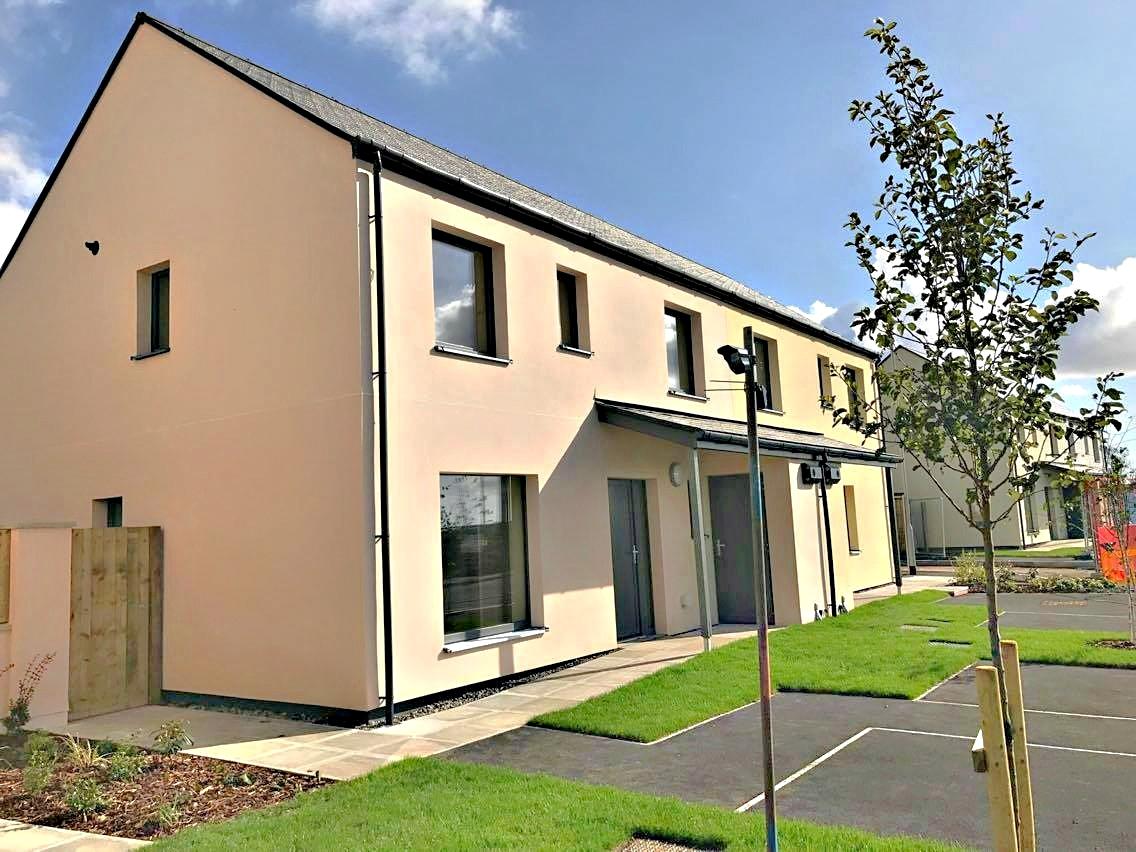
THREE council house-building schemes in Swansea remain on hold due to water quality concerns in the Burry Inlet.
The authority wants to build homes at the Gorseinon Business Park site, Gorseinon; Milford Way, Blaenymaes, in conjunction with a housing association; and Tudno Place and Heol Emrys, Penlan.
Swansea is one of a number of areas where house-building projects face delays due to levels of polluting nutrients in protected marine and river areas. These protected areas include the Burry Inlet between Swansea and Carmarthenshire.
Agriculture, wastewater treatment works and sewer and storm tank discharges and overflows are the main nutrient sources, according to environment body Natural Resources Wales (NRW), which said action across whole catchments was needed to to improve water quality.
New housing developments can lead to increased amounts of nutrients entering rivers via wastewater. Such developments can go ahead in catchments failing to meet nutrient targets if it can be shown they won’t lead to further deterioration of water quality. This might require mitigation measures.
Referring to the three council housebuilding projects affected in Swansea, a council spokesman said: “We are continuing preparatory work on these schemes, but planning decisions cannot move forward until suitable nutrient mitigation measures are agreed through the planning process.
“We are working with Natural Resources Wales, Welsh Government and environmental specialists to identify solutions and are contributing to national work to address this issue.”
He said in the meantime the council was pursuing different methods to increase the supply of affordable housing, including buying homes and acquiring them through legal agreements with developers.
Carmarthenshire Council said none of its own housebuilding schemes were affected by marine nitrate (nitrogen) issues but added: “A number of housing schemes within the Burry Inlet special area of conservation are affected by these constraints, and we are working with planning colleagues to develop appropriate mitigation measures.”
Many housebuilding projects in Pembrokeshire are impacted.
Welsh rivers designated as special areas of conservation (SACs) support important and rare wildlife including Atlantic salmon.
The Local Democracy Reporting Service asked NRW if marine and river SACs were now showing any improvement in terms of nitrogen and phosphate levels.
It replied that 50% of river SACs were now meeting stringent targets compared to 39% in 2021. However, it said the number of “whole SAC river catchments” with non-compliances had risen from five in 2021 to seven.
Marc Williams, NRW water and nature projects team leader, said: “We fully recognise the significant pressures facing local planning authorities particularly around nutrient-related planning decisions. These are complex issues, and NRW is committed to supporting with robust evidence, practical tools, and clear guidance to help inform assessments.
“We will continue to do everything we can to assist, however, it remains the responsibility of local planning authorities to carry out the necessary assessments and apply this information within their planning and decision-making processes.”
He said NRW worked with planning authorities, housing associations and the Welsh Government to develop a proportionate approach.
NRW added that new catchment nutrient recovery plans were being drawn up – combining habitat restoration and nutrient recovery measures with mitigation – to support environmental improvement and sustainable growth.