The RSPCA has issued important advice to poultry pet owners ahead of the winter months to help keep their birds safe from the spread of avian influenza.
As migratory wild waterfowl, including ducks and geese, are now returning to the UK over winter, the risk of avian influenza unfortunately increases. The RSPCA therefore urges people with backyard flocks to ensure they are following the UK and Welsh Government’s biosecurity advice to keep their pets as protected as possible.
Top advice
Keep the area where birds live clean and tidy and regularly disinfect any hard surfaces
Clean footwear before and after visits
Place birds’ feed and water in fully enclosed areas that are protected from wild birds, and remove any spilled feed regularly
Put fencing around outdoor areas where birds are allowed and limit their access to any ponds or areas visited by wild waterfowl
Where possible, avoid keeping ducks and geese with other poultry species
Charlotte Arthur, poultry expert at the RSPCA, said: “We are sadly once again entering the time of year when bird flu becomes more prevalent. Governments are issuing important biosecurity advice for poultry pet owners to try and control the spread of the disease after a confirmed case was found in Scotland recently. Whilst no housing order or other measures have been put in place currently, it’s important for pet owners to be mindful that over the coming months this is likely to become a reality.
“Keeping hens has become increasingly popular in recent years so it’s important that new and experienced owners alike follow official biosecurity advice, staying vigilant for signs of disease and ill health in their flocks, and seeking veterinary advice if they have any concerns for their birds.
“It’s also important to report any suspected outbreaks of avian influenza to the Animal and Plant Health Agency (APHA). All pet poultry owners in England and Wales must register their birds with the APHA within one month, so they can contact owners if there’s a disease outbreak in their area.”
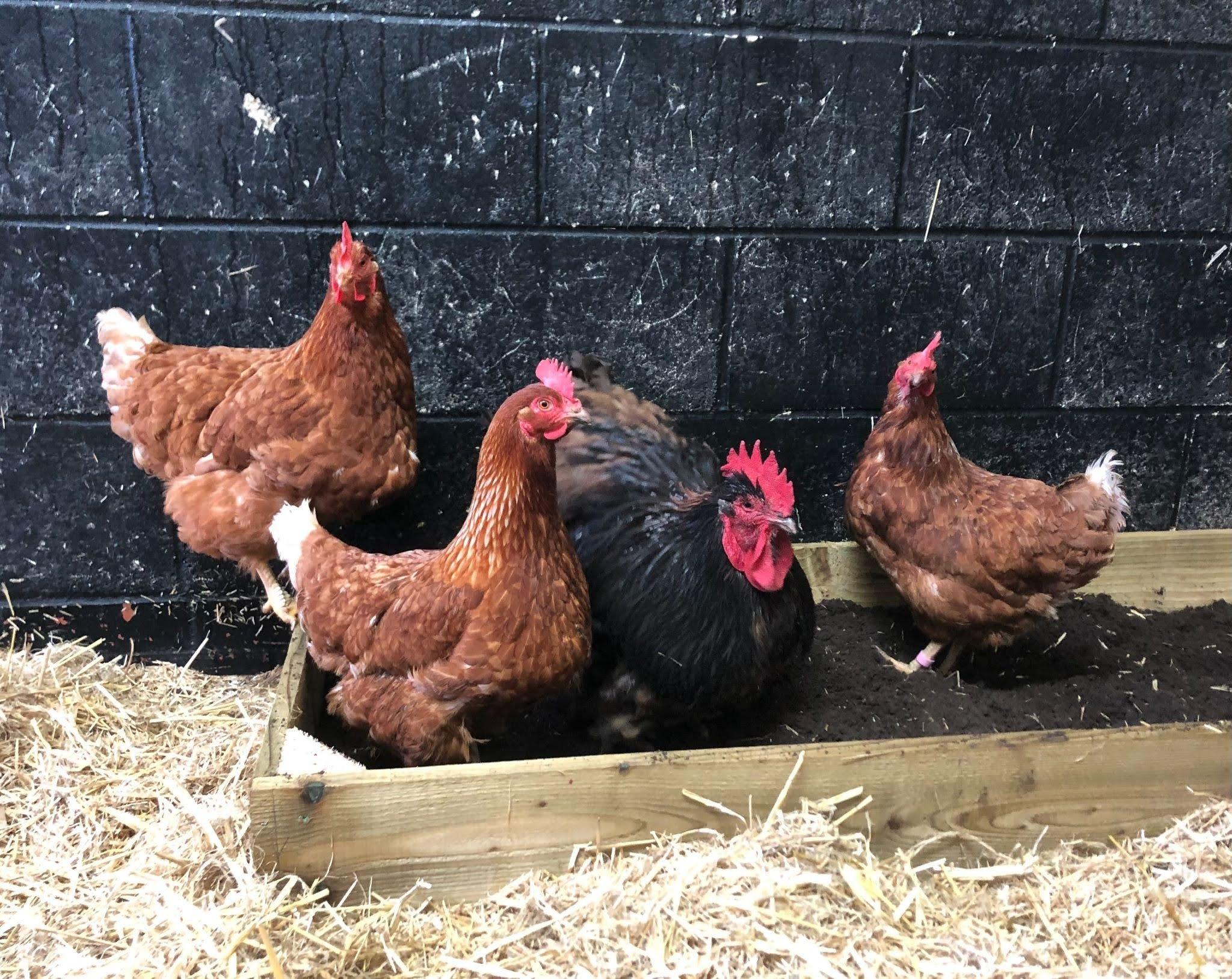
The RSPCA is also urging pet owners to keep their flocks ‘hentertained’, particularly during housing orders, although enrichment is important for hens all year round. Providing enrichment is a great way to keep pet hens entertained, encourage natural behaviours and keep them mentally stimulated. This could include placing straw bales with hidden food to encourage foraging, hanging up objects such as CDs or corn on the cob to encourage pecking and exploration, or providing a dedicated dust-bathing area. A suitable dust bath could be made using a large, shallow-sided tray or an old tyre filled with sand or suitable dry material, such as dust-free wood shavings, giving hens the opportunity to enjoy this important natural behaviour.
Charlotte added: “It’s really important to make sure pet birds have lots of enrichment to keep them happy. Having nothing to do can lead to boredom, stress and contribute to problems such as feather pecking but fortunately, there’s loads of great things keepers can do to keep their animals ‘hentertained’.”
The RSPCA’s top tips
Provide perches – hens naturally like to access raised perches where they will rest during the day and preen their feathers
In winter, outdoor runs can easily become muddy, adding woodchip or other suitable materials can ensure that the hens have access to a dry lying area at all times outside the coop.
Straw bales and vegetables – providing these items give the hens something to peck at to encourage them to exhibit their natural behaviour and keep them active. Important: do not feed kitchen scraps to poultry
Tyres filled with sand in the middle – this is a nifty way of encouraging hens to dust bathe which is something they’d usually do outside
Make a puzzle feeder out of old egg cartons or balls with a hole in the middle
Verandas – if it is possible create a veranda for your ‘hen house’ this allows them to have more space, get natural light and fresh air while still keeping them safe from bird flu. Ensuring there is a solid cover on the roof such as perspex will reduce the risk of wild birds droppings entering the run.
More information on how the RSPCA is improving hen welfare can be found on the charity’s website.