Following the recent wildfire in Blaenavon, our Arson Reduction Teams, working alongside Gwent Police, are patrolling impacted areas and engaging with local communities to provide support and share important fire safety advice.
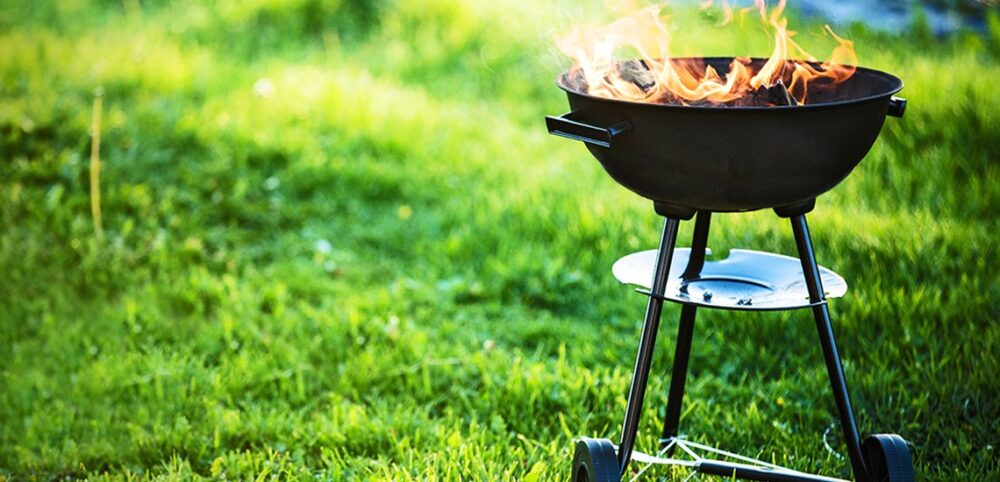
We’ll be talking about how to prevent wildfires in conversations with residents and business and our key message is simple – if you’re thinking of lighting a BBQ, please think twice.
With current prolonged hot and dry conditions, we are urging everyone to take extra care when visiting Blaenavon and other upland areas. Grassland is extremely dry, and it only takes a single spark for a fire to start and spread rapidly.
Please help reduce the risk of wildfire by:
Do:
- Follow any local safety advice, warnings and restrictions in place.
- Take all litter home with you.
- Dispose of cigarettes and smoking materials responsibly and ensure they are fully extinguished.
- Report any signs of fire, smoke or suspicious activity immediately.
Do not:
- Use disposable barbecues on grassland, or near open countryside.
- Light campfires, fire pits or open fires in upland areas.
- Set off fireworks, lanterns or other items that create sparks near grassland.
- Leave glass bottles or litter behind, as these can contribute to fire risks.
Residents and visitors are asked to avoid affected areas where possible while crews continue to deal with the wildfire.
If you witness suspicious behaviour, please report it to Gwent Police by calling 101. If you discover a fire or there is an immediate risk to life or property, call 999 immediately.
Smoke from wildfires can irritate the eyes, nose and throat and may cause coughing, wheezing and shortness of breath. If you are affected by smoke, keep windows and doors closed where possible and avoid unnecessary outdoor activity in affected areas. If symptoms persist after moving indoors and away from smoke and ash, seek advice from your GP or call NHS 111.
By taking these simple precautions, everyone can help protect our communities, countryside and emergency responders during this period of heightened wildfire risk.