Mental health experts at leading health and social care provider, Cygnet Group, have launched two practical online guides to help people experiencing suicidal thoughts and those worried about someone they know.
The free resources have been published ahead of World Suicide Prevention Day on 10 September, an annual awareness day that encourages open conversations about suicide and promotes the support available to those in distress.
The guides have been produced by Cygnet, which runs two residential care services for individuals with learning disabilities in Carmarthenshire, including Bryn Y Wawr in Llandeilo and Clynsaer in Llandovery. Both are part of Cygnet’s Social Care division.
The first guide, Suicidal Thoughts: What to Do and Where to Find Support, is intended for anyone who may be struggling. It offers clear, compassionate advice on getting through a crisis, reaching out to someone trusted and accessing professional help.
A second guide, Supporting Someone with Suicidal Thoughts, helps friends, relatives and colleagues recognise possible warning signs, start a conversation and respond safely and supportively.
Warning signs can include withdrawing from other people and usual activities, changes in eating or sleeping habits, expressing feelings of hopelessness or being a burden, giving away treasured possessions, increased alcohol or drug use, or behaving recklessly.
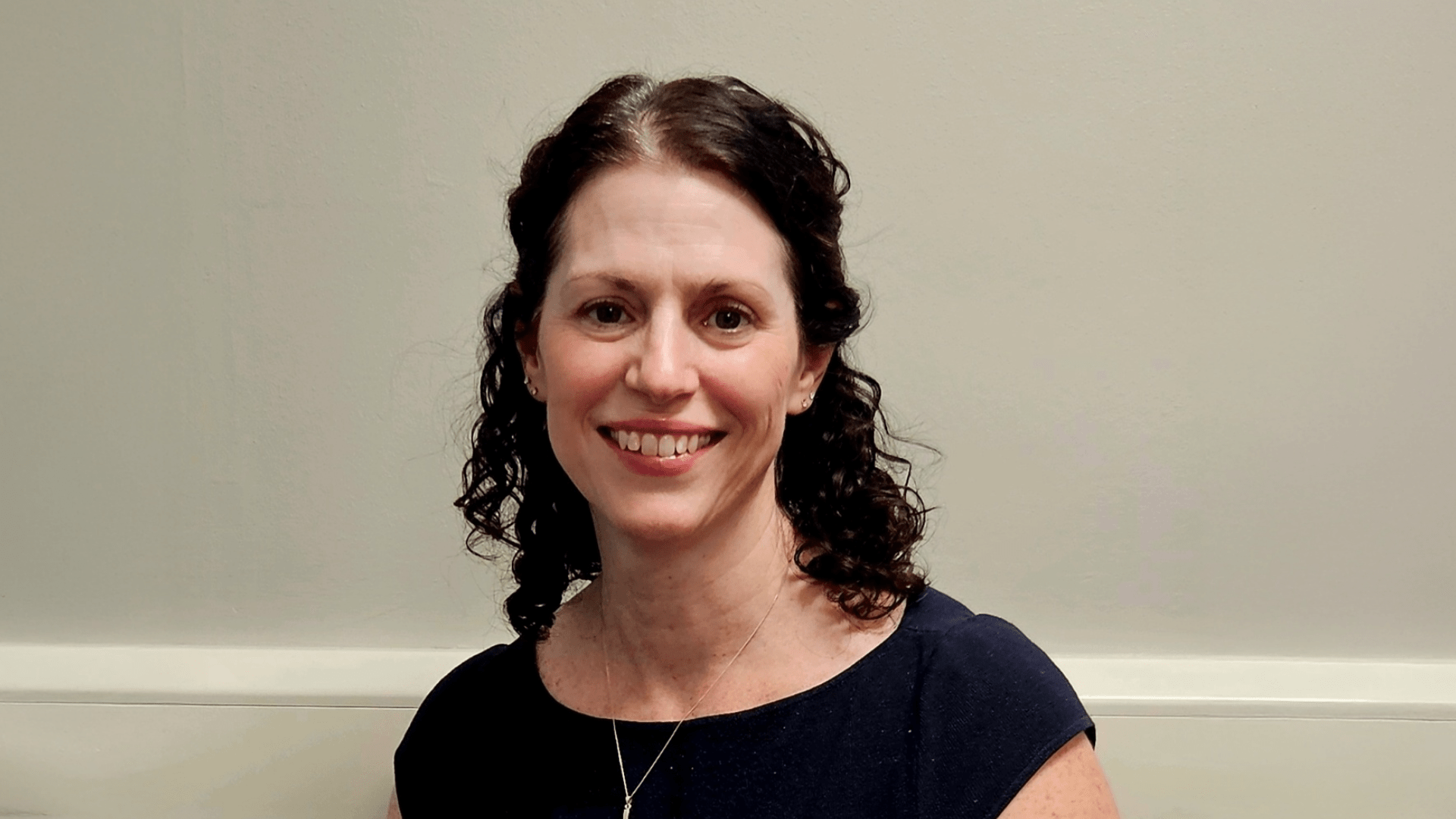
Catherine Flowers, Suicide Prevention Lead at Cygnet Health Care, said: “Suicidal thoughts can affect people from all backgrounds and walks of life. Someone may feel frightened, ashamed or unsure how to explain what they are experiencing, but they should never feel that they have to face it alone.
“Our message to anyone who is struggling is that there is hope and help is available. Telling somebody how you feel can be an incredibly difficult step, but it can also be the beginning of getting the support you need. You do not have to find the perfect words. Starting with a text message or simply saying ‘I’m not feeling safe’ can be enough to open that conversation.”
The guide for those supporting someone advises people to trust their instincts and take any mention of suicide seriously. It explains that asking a person directly whether they are having suicidal thoughts will not put the idea into their mind and can instead give them permission to speak honestly about how they feel.
Catherine added: “Many people worry that asking directly about suicide might make the situation worse, but speaking openly can reduce isolation and provide enormous relief. It shows the person that you have noticed their distress, that you are prepared to listen and that they do not have to hide what they are going through.
“You do not need to be a mental health professional or have all the answers. Listening calmly and without judgement, taking the person seriously and helping them connect with appropriate support can make a real difference.
“Try not to dismiss their feelings, offer quick solutions or make them feel guilty. Instead, give them your full attention, acknowledge how difficult things feel and reassure them that they matter to you.
“If you believe there is an immediate danger to someone’s life, stay with them and call 999.”
The resources also offer advice on practical ways to help, including accompanying someone to a medical appointment, helping them contact their GP, checking in regularly and supporting them with everyday responsibilities that may feel overwhelming.
Cygnet’s guide emphasises that supporting somebody experiencing suicidal thoughts can be emotionally demanding. Friends, relatives and carers are encouraged to look after their own wellbeing, speak to someone they trust and seek professional support if they need it.
Catherine said: “Suicide prevention is everybody’s business. By becoming more confident in recognising warning signs and talking openly about suicide, we can challenge stigma and help more people access support at the point they need it.
“World Suicide Prevention Day is an important opportunity to remind people that conversations can save lives. Reaching out may feel uncomfortable, but it is always better to ask than to remain silent because you are worried about saying the wrong thing.”
Both guides are free to read and download from the Cygnet Group website:
Suicidal Thoughts: What to Do and Where to Find Support