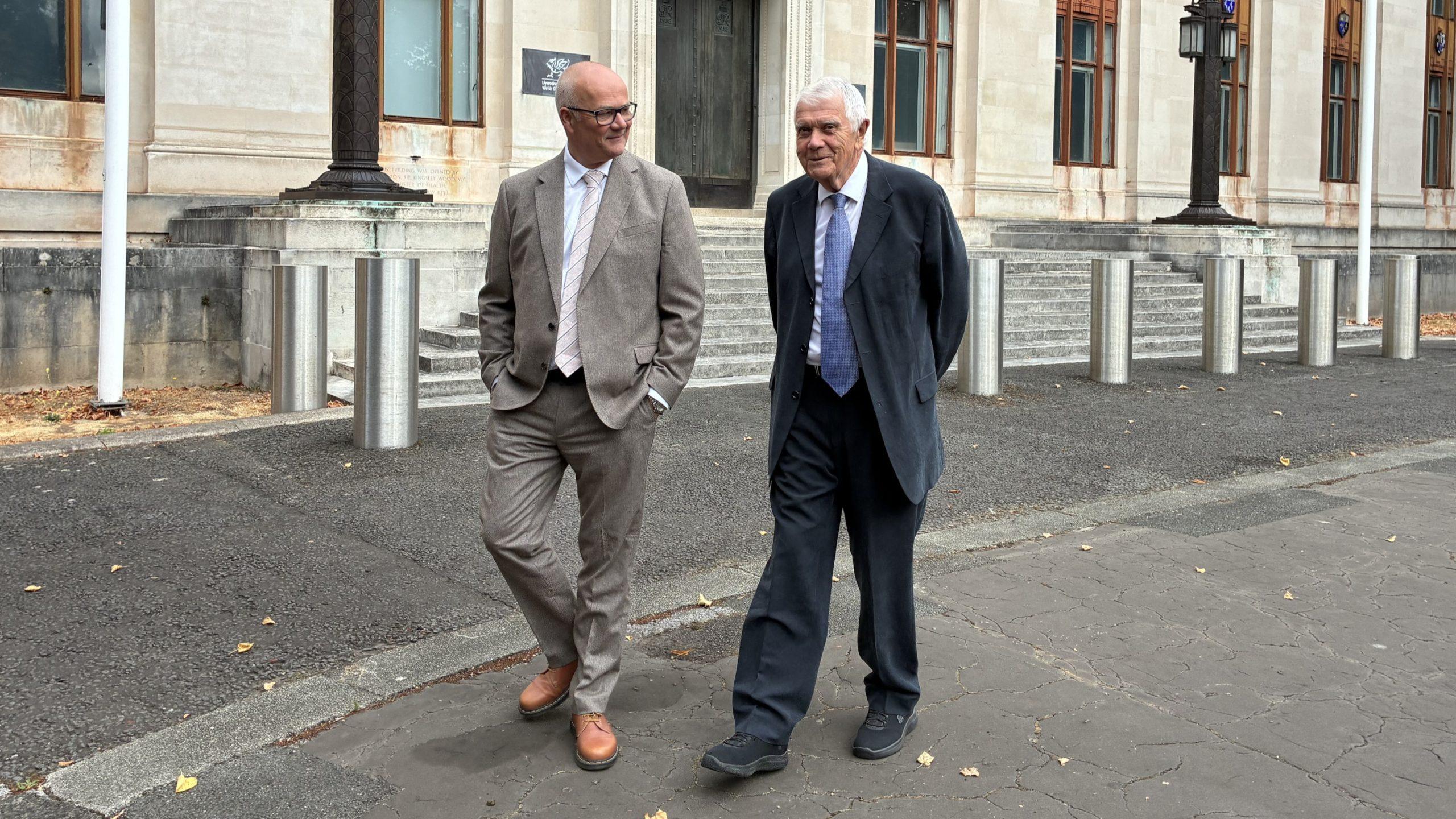
The Deputy Minister for Transport, Mark Hooper, met with Lord Burns this week to share views on the future direction of transport policy and investment across Wales.
Top of the agenda was looking at the progress being made to implement the recommendations of the Burns Review – tackling vehicle congestion on the M4 and building new rail infrastructure.
Following the meeting the Deputy Minister for Transport Mark Hooper said:
“It was good to meet with Lord Burns and confirm our shared views on the key issues facing the future of transport in Wales. We were both in agreement that negotiations with the UK Government need to be accelerated to ensure Wales’ interests are properly represented.
“The Railways Bill is a great opportunity to develop these working relationships with the UK Government so that we can deliver real benefits for people in Wales and our border communities, both now and in the future.
“Lord Burns brought an invaluable depth of knowledge to the conversation, which I have no doubt will help strengthen future discussions with the UK Government, ensuring the interests of Welsh passengers are not overlooked by an overly centralised Great British Railways.”
Lord Burns, Chair of the Burns Review, added:
“The M4 congestion around Newport is an issue close to my heart. I remain committed to helping to achieve the best options for improving resilience, reliability and connectivity in Southeast Wales.
“The meeting this week has given me a valuable opportunity to understand the priority issues and to discuss with the Deputy Minister how we might address these challenges together.
“Better transport links are essential to the Welsh economy. They enable businesses to grow and thrive, and make it easier for people to travel, whether for work or leisure.”
The Burns review recommended a package of 58 measures aimed at creating a network of alternatives around Newport, including the building of 6 new stations, 23 miles of new rapid bus lanes and 20 miles of new cycle lanes, alongside improved rail services, enhanced bus networks and better integration between transport modes.
The work aims to provide alternatives to journeys on the M4 and encourage greater use of public transport and active travel across the region.