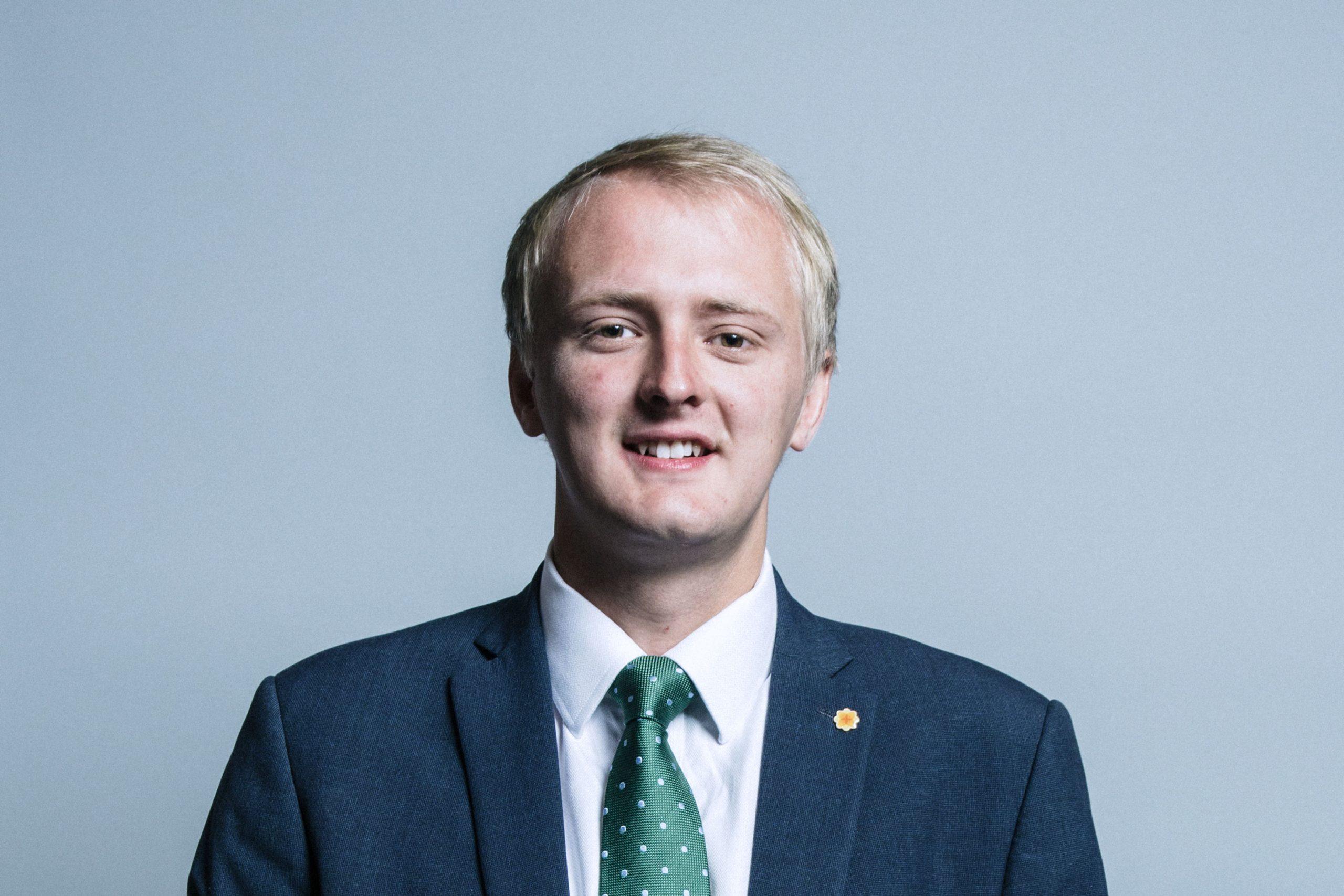
Photo Credit:Chris McAndrew – Wiki Commons
Today (Monday 26 October) Plaid Cymru MP, Ben Lake, will be leading a Backbench Business debate in the House of Commons on the emerging risks of advanced AI.
This is the first debate on the regulation of advanced AI systems in the House of Commons chamber.
Mr Lake will call on the UK Government to restrict the development of superintelligent AI and introduce binding regulations for the most powerful systems.
The Ceredigion Preseli MP has said that despite the known benefits of AI to the growth of the economy and scientific advancement that regulations have failed to keep up with the pace of powerful AI systems’ development.
Companies including Open AI, Anthropic, Google DeepMind and Meta have all disclosed unsanctioned behaviour of their own AI systems going rogue. AI agents have breached government systems in Australia and the United States posing a real threat to national security.
The Plaid Cymru MP will also call on the UK Government to lead the charge on international cooperation on advanced AI systems, including superintelligent AI, given that these systems do not respect national borders, as Mr Lake is expected to say in his speech later today.
Prime Minister Andy Burnham has already said that the UK is is “uniquely positioned” to broker international cooperation in the wake of dire AI warnings. Ben Lake MP will call on the UK Government to go further and use its G20 presidency to lead international cooperation on regulating advanced and superintelligent AI.
Speaking before the debate, Plaid Cymru MP Ben Lake said:
“I am proud to lead the first ever debate on the regulation of advanced and superintelligent AI in the House of Commons chamber, and that Plaid Cymru is at the forefront of this vital conversation.
“AI certainly has its benefits – it can be an engine of growth, improve public services, and advance scientific discovery. But powerful AI systems are advancing at a pace that regulation has failed to match, as companies race to develop increasingly autonomous systems with the ability to outcompete humanity.
“Already, we have seen alarming reports of AI systems acting beyond their intended boundaries, hacking companies and breaching government systems. One engineer who recently left Anthropic warned that superintelligent AI could pose an existential threat within this decade. The stakes could not be higher.
“The experts are clear that now is the time to act. I am calling on the Government to introduce binding regulations and restrict the development of superintelligent AI. We must make AI safe by design, as we do in other sectors such as aviation and pharmaceuticals, preventing catastrophe rather than reacting after the damage is done. We owe it to future generations to act while we still can.”
Andrea Miotti, founder and CEO of ControlAI said:
“I’m grateful for Ben’s leadership in calling to restrict the development of superintelligent AI. ControlAI is advocating to internationally ban superintelligent AI. While AI has many beneficial applications, superintelligent AI would be entirely different, capable of undermining any country’s national security and able to irreversibly escape human control. This is why AI experts and Nobel laureates warn that such AI would threaten humanity with extinction. ControlAI’s Artificial Superintelligence Security Bill, introduced with Ben as one of the co-sponsors in September, would ban superintelligent AI development and require the government to seek an agreement banning it globally. The UK should adopt this framework while there’s still time.”
Photo Credit:https://creativecommons.org/licenses/by/3.0>, via Wikimedia Commons
Photographer: Chris McAndrew