The RSPCA has released facts about the four wild animals chosen to feature on a new series of banknotes from the Bank of England – with the public set to get to know these incredible species “a lot better”.
The animal welfare charity had called for “less-loved” wild animals to feature on the currency – in a bid the RSPCA believed could help challenge perceptions, and raise awareness of wild animals that are too often misunderstood.
But the RSPCA – which exists to help every kind of animal – has also paid tribute to barn owls, buff-tailed bumblebees, hedgehogs and Atlantic puffins, the four animals who were chosen after the public vote.
“It’s important we all get to know these animals a lot better, as soon we’ll be seeing them every day!” said Dr Rebecca Machin, wildlife expert with the RSPCA.
Barn Owls
Barn owls, whose numbers amount to approximately 4,000 breeding pairs in the UK, have asymmetrical ears – set at different heights on their head – to help them locate their prey.
They have strict legal protections in England and Wales, and are listed under Schedule 1 of the Wildlife & Countryside Act – meaning it is a criminal offence to take a barn owl nest, take or destroy their eggs, or to recklessly disturb them in the wild.
There’s lots more information about people’s responsibilities towards wildlife on the RSPCA website.
Buff-tailed Bumblebees
The buff-tailed bumblebee is an important pollinator, and just one of the UK’s 24 bumblebee species, and 270 bee species!
A ‘full tank’ of nectar gives a buff-tailed bumblebee only about 40 minutes of flight energy – meaning these amazing insects are at constant risk of exhaustion.
Luckily, there is a way people can help – the RSPCA’s Wildlife Friends scheme encourages people to prioritise pollinator-friendly gardening to give our buzzy pals a helping hand.
Hedgehogs
Hedgehogs face unique challenges across England and Wales – with more little hogs admitted to RSPCA wildlife centres than any other wild animal. Between 2021 and 2025, 9,198 hedgehogs were admitted to the RSPCA’s four dedicated wildlife centres.
Their spikes are made of the same protein that makes up human hair and nails!
Hedgehogs are lactose intolerant, so bread and milk can make them ill. Instead, meaty tinned or dry dog or cat food are great snacks to give hedgehogs a helping hand.
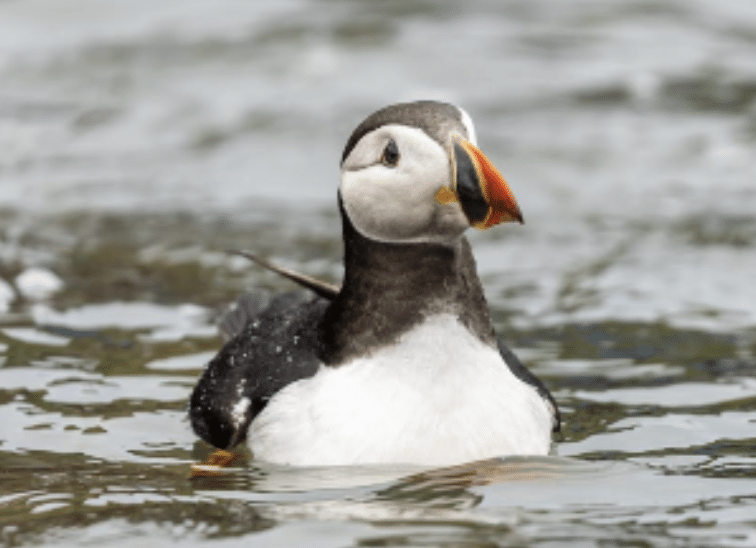
Atlantic Puffins
Atlantic puffins are deeply loyal animals and mate for life, although they spend most of the year alone at sea.
There are 580,000 breeding pairs in the UK – but they’re included on the UK’s Red List of Conservation Concern as colony numbers have been in decline.
Puffins are oceanic birds that usually only come on land to breed. They rarely come inland unless blown off course by severe winter storms or weakened by illness – and the RSPCA urges people to know what to do if they see a wild bird in distress or needing help. Last year, the RSPCA rehabilitated and released a puffin – nicknamed Oona – back to the wild after she was found a staggering 110 miles inland in Herefordshire.
Rebecca added: “We’re absolutely delighted to see these four wonderful animals celebrated on our banknotes.
“Barn owls, buff-tailed bumblebees, hedgehogs and puffins are all fascinating species and we’re thrilled they’re getting their chance to shine – and in our wallets! These will be a daily reminder of the UK’s precious biodiversity, and how and where we spend our money can affect nature.”
However, the RSPCA is sparing a thought for foxes – who have been left off the notes despite landing a spot in the top four of the public vote.
“It’s great that insects and marine animals will be represented, as they’re too often forgotten. But we can’t help feeling sorry for the foxes! It’s heartening to see they’re clearly well-loved by the public – having come fourth in the public vote – so it’s a shame they’ve been bumped from the final line-up of four notes!”
The red fox landed 244,651 votes in the Bank of England consultation – more than the common kingfisher, Emperor dragonfly and brown hare.
And the RSPCA is urging the public to do their bit to help the nation’s naturally curious fox population thrive – including putting away goal netting after use, with foxes becoming entangled in nets commonly reported to its emergency line.
More information on the RSPCA’s work with wild animals can be found on the charity’s web pages.