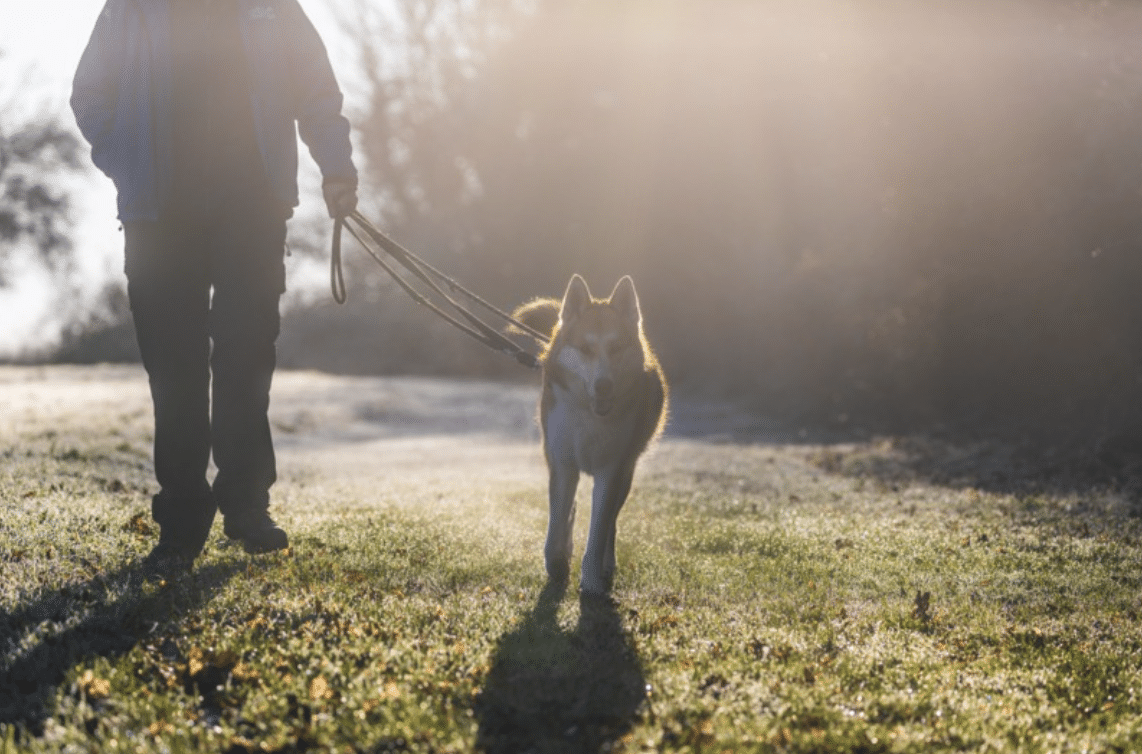
As the first cold spell of winter approaches in parts of England and Wales, the RSPCA is sharing expert tips to keep pets warm, safe and comfortable.
With the Met Office forecasting cold northerly winds, frosty nights, and blustery northern showers across the UK, temperatures are set to drop significantly over the coming days.
Between Thursday and Saturday, temperatures overnight are forecast to drop as low as 0°C (32°F) in London, -2°C (28.4°F) in Manchester, -1°C (30.2°F) in Cardiff, and -2°C (28.4°F) in Norwich.
RSPCA pet welfare specialist Dr Samantha Gaines said: “With the first frost approaching many areas this weekend, it’s a good idea for pet owners to get prepared now to keep their animals safe and well.
“After such a lengthy, hot summer, many of us will be digging out our scarves, hats and gloves, and a few of the tried and tested tips for winter might have slipped our minds. That’s why the RSPCA is sharing a simple to-do list with advice to help start the cold season safely.
“As we all strive to create a better world for every animal, pet owners can share our helpful advice and tips to make sure their own animals, and local wildlife, are kept safe.”
Here are the RSPCA’s top tips:
1.Dig out your reflectives: Keep safe when exercising dogs and horses in the dark by wearing reflective clothing. Collars and leads with reflective material are also available for pets and can help motorists spot them easier.
2. Gather old towels: wet blustery walks make for wet soggy dogs! Keep a pile of folded, clean, dry towels by the door to give wet pets a thorough rub down after wet walks to keep shivers at bay.
3. Watch out for antifreeze and rock salt: Commonly used at this time of year, salt on the pavements and spilled antifreeze liquid can be poisonous to pets. Thoroughly wipe paws after each walk, and keep any stored products out of their reach. If you’re concerned your pet may have ingested anything they shouldn’t, please speak to your vet immediately.
4. Bulk up bedding:Dig out extra blankets, towels and beds for dogs and cats to coffee them choices of beds to keep cosy in the home. Keep a close eye on outdoor pets like rabbits and guinea pigs; we recommend guinea pigs be housed indoors when temperatures are below 15°C (59°F) and rabbits below freezing. If you do bring your pets indoors, they still need plenty of time and room to exercise safely. If you have to leave them outside, provide them with lots of extra bedding and make sure their home is protected from adverse weather with insulating but ventilating covers. Hutches should be in a sheltered position, with a sloped roof and should be raised off the ground at least 4in (10cm).
5. Feed the birds: Give local wildlife a helping hand in cold weather by keeping bird baths ice-free, providing fresh water, and offering extra food like seeds, oats, fruits, or mealworms. Always check leaf and wood piles for hedgehogs, frogs, and mice before lighting any fires.
6. Make a den: Ensure cats have constant access to the house or to a warm, indoor area such as an outbuilding or barn. You should also ensure the cat’s bedding or sleeping area is warm, dry and away from any draughts.
7. Dress for the weather: Special pet coats or jumpers can be a good idea for elderly or sickly dogs to wear when you’re out walking. Make sure your dog can still behave normally, for example, go to the toilet easily and that it is a good and comfortable fit.
8. Steer clear of icy water: Keep your pet dog away from frozen ponds, lakes or rivers which can pose a danger, and make sure their paws don’t get impacted with mud or snow.
9. Protect outdoor birds: If you keep pet birds in aviaries, coops, or runs, then you should also protect them from the cold weather. Provide plenty of additional dry, warm bedding such as straw and cover enclosures to keep the wind and rain out.
10. Prepare horse paddocks and shelters: With muddy season already under way for horse owners, checking waterproof rugs for damage and keeping spares on hand for drying between uses will make daily rug changes much easier. Take time to inspect field shelters for damage and draughts, and clean out water troughs ahead of winter. Ensure horses have access to dry standing areas, and inspect feet regularly for loose shoes or signs of conditions like mud fever.
11. Keep dogs indoors: We don’t advise keeping dogs outside in any weather, because meeting the needs of dogs when they’re kept outside is very hard – and more so in very low temperatures. Owners should make sure their dogs have a clean, comfortable and dry sleeping area with a safe heat source so the temperature does not drop below 10°C (50°F).
12. Stay informed on flood risks: If flooding is a risk in your area, you can stay informed by calling Floodline on 0845 988 1188 for information and flood warnings 24 hours a day, or visit the Environment’s Agency flood website.. Wales residents should seek updates from Natural Resources Wales. Please don’t put your own life or another’s life in danger to attempt an animal rescue and call us for help in an emergency.
Sam added: “Winter can be a challenging season for animals, but taking a few simple precautions can make a huge difference to their wellbeing and help keep everyone safe and comfortable.”
Last year the RSPCA received 933,000 calls for help or advice; investigated more than 84,233 complaints of cruelty and neglect; and gave 25,351 animals a second chance of a new home. Without help from supporters, the charity couldn’t help alleviate the suffering of neglected, abandoned or cruelly treated animals.
The RSPCA’s winter appeal – The Big Giveback to Animals – encourages people to think about the animals in need this Christmas. Behind every animal’s new start are the people who never give up. This Christmas, will you be one of them? Donate online: rspca.org.uk/winterappeal.
Photo Credit: RSPCA


