Photo Credit: LDRS Service, Bute Energy.
THERE are more negatives than positives for a wind farm proposal near Builth Wells, Powys planners have identified in their deliberations so far.
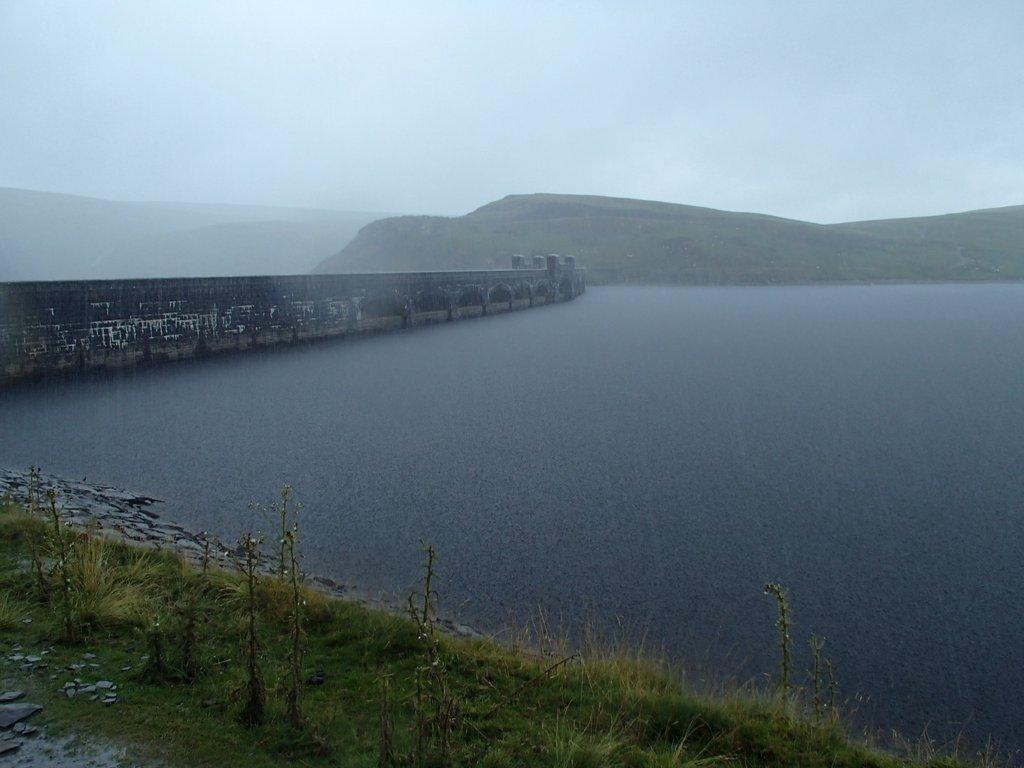
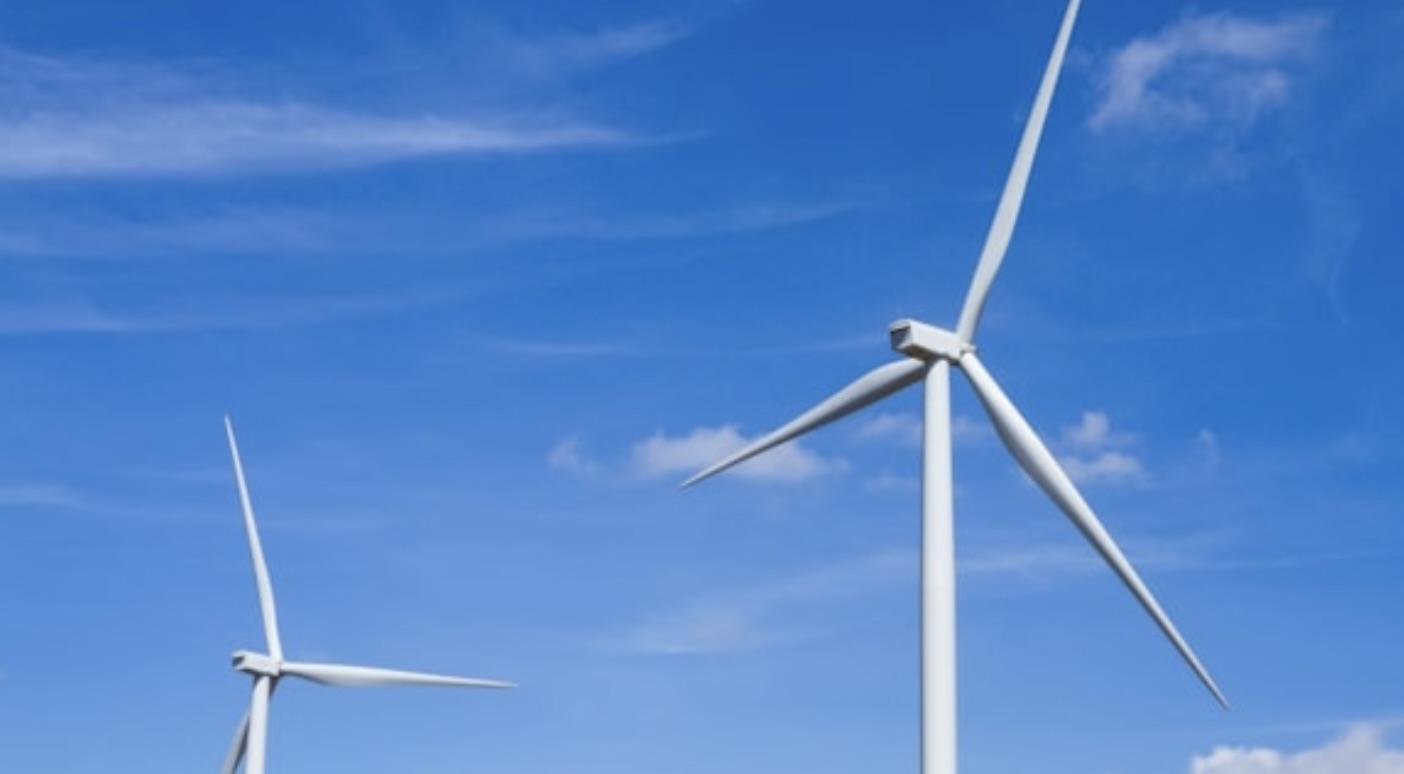
At a meeting of Powys County Council’s Planning Committee on Thursday, November 26, councillors will receive the draft Local Impact Report (LIR) on plans by Bute Energy for 18 wind turbines with a maximum blade tip height of 200 metres to be built on Aberedw Hill, three kilometres east of Builth Wells.
The proposal also includes the need for “secondary consents”, which are the de-registration and exchange of common land areas at Aberedw Hills and Hungry Green Common.
Secondary consent is also needed to allow restricted works to take place on the common land.
The proposal is classed as a Development of National Significance (DNS), which means that Welsh Government planning inspectors at PEDW (Planning and Environment Decisions Wales) will process the application.
Inspectors will eventually recommend to Welsh Government ministers whether to approve the scheme or not.
A month-long consultation on the proposal started on November 2, and the LIR is the authority’s chance to feed into the consultation process.
This document explains what Powys planners think inspectors should consider when deciding the application.
In the LIR, the council does not give a formal opinion on the proposal but outlines the potential pros and cons of the development, labelling them as either positive, neutral or negative.
The uncompleted document shows that there are six negative, two neutral and two positive impacts associated with the proposal at the moment.
The only positive identified so far is that there is a need for the facility to produce renewable energy.
On access to public rights of way, the LIR states that it would be a negative impact as “significant concerns” have been raised over the feasibility, legality, deliverability and long-term effectiveness of a proposed permanent path diversion strategy, and the resulting effects on public access and recreational use of the area.
The replacement of common land strategy is also deemed to have a negative impact.
The impact of transporting the infrastructure is also seen in a negative light.
The LIR said: “Overall, the Local Highway Authority concludes that the proposal would have a negative impact on the local highway network, with significant adverse effects identified in relation to construction traffic movements and uncertainty remaining regarding route suitability, access arrangements and cumulative transportation impacts.”
The LIR also states that the proposal would have an “overall” negative impact on the ecology and birds living in the area.
The noise impact on residents living near the site would also have a negative impact.
Shadow flicker from the turbines is also deemed to be negative for 32 nearby households, unless its effect is lessened by conditions being put on the scheme, which would change the classification to “neutral”.
However, more positives could be added to the LIR as the report says that the work is unfinished, with councillors expected to receive “updates” on several further sections of the report, including landscape and visual impact, built heritage, air quality, contaminated land and drainage.
Bute Energy said that it chose this location because of its technical and environmental suitability and optimal wind speeds.
The proposed development could produce up to approximately 120MW (megawatts) of clean energy – enough to power between 86,000 and 113,000 homes.
The council needs to submit its LIR to PEDW by December 7.