Work has begun on Wales’s first Climate and Nature Action Plan, which will set out a cross-government programme of action to tackle the climate and nature emergency as one connected challenge.
A new Climate and Nature Board will be set up to help shape the Plan, bringing together external expertise to provide constructive challenge, support coordination and help hold delivery to account.
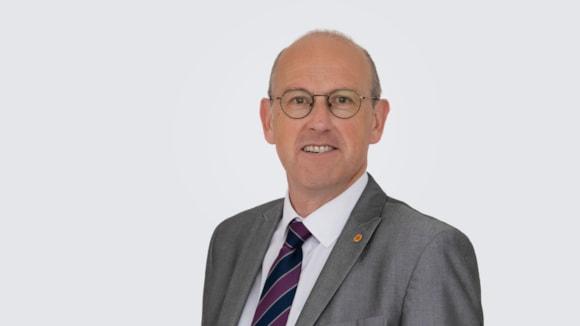
The Board will be chaired by Llyr Gruffydd, Cabinet Minister for Rural Resilience and Sustainability, and will help ensure the plan reflects the experiences and priorities of people and communities across Wales.
The plan will establish a cross-government programme of action to support sustainable development, strengthen climate and nature resilience, improve environmental sustainability, support a just transition, and chart a practical pathway towards net zero by 2040 and substantive nature recovery by 2050.
It will help Wales respond to impacts people can already see and feel, from flooding affecting homes and businesses and recent wildfires damaging landscapes and habitats, to pressure on food and farming, polluted rivers, declining wildlife, hotter summers, coastal change, and growing risks to health, communities and local economies.
Llyr Gruffydd, Cabinet Minister for Rural Resilience and Sustainability, said: “This is not about treating climate and nature as separate problems – they are connected problems and we need to respond to them in a connected way.
“In developing the plan, we will bring people, communities, partners and organisations into the process of shaping solutions, drawing on their experiences as well as the evidence.
“Together, we will look for opportunities to take action across government and society that tackles the causes of these challenges, not just their symptoms.
“This means protecting and restoring the natural systems Wales depends on, while also helping us deliver our wider commitments to healthier communities, more resilient places, a stronger and fairer economy, rural resilience, cleaner air and water, warmer homes, green skills and jobs, sustainable food and farming, and better places to live.”