The Tour de France could leave a lasting impact on the Welsh capital in the form of a £4m cycle track.
In January of this year it was announced Cardiff would host the finish of stage three of the men’s Tour de France 2027 with racers travelling from Welshpool in Powys to just outside Cardiff Castle.
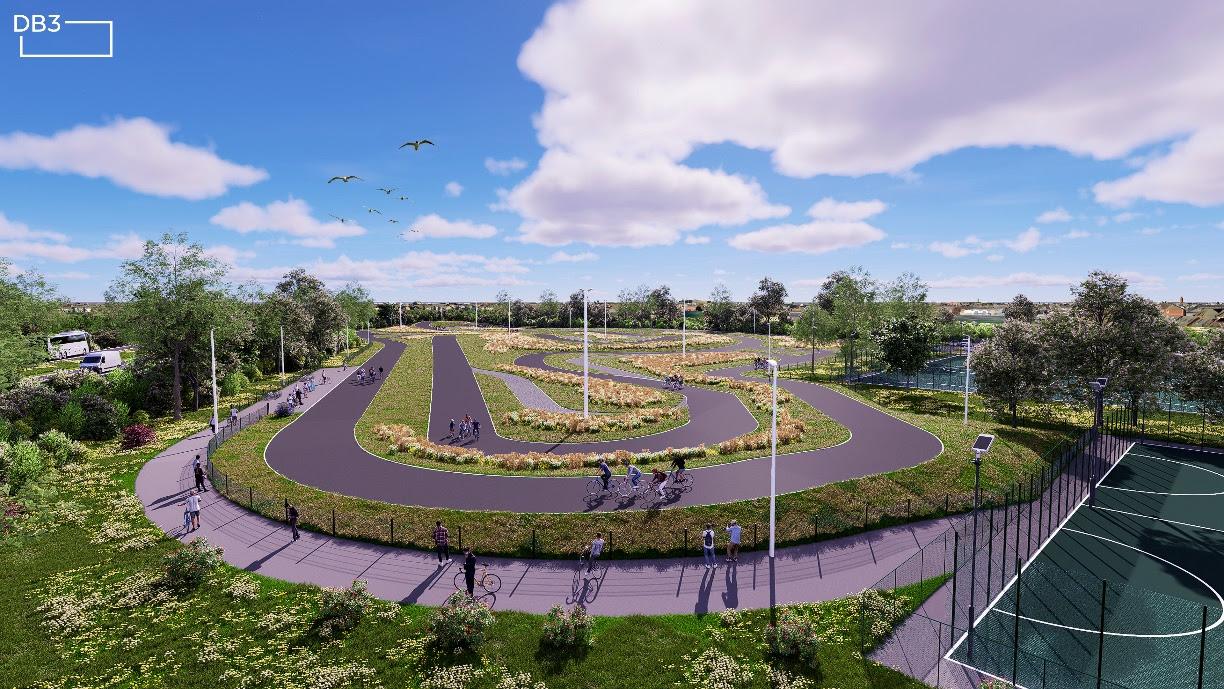
Now Cardiff Council is taking advantage of the excitement of the world’s most famous cycle race coming to the capital to propose a 1.5km cycle circuit in the city.
Currently no urban closed circuit road circuits exist in south Wales but research carried out by the council shows there is strong demand.
The track is expected to cost around £4m, which would not be paid for by the council.
Instead the new facility is subject to external capital funding being secured through the Tour de France legacy programme subject to planning permission and approval of a future full business case by Cardiff Council.
Council-owned land in Leckwith has been touted as a potential location due to it being close to existing sports and educational facilities.
The circuit forms part of a UK-wide strategy developed by Beicio Cymru, British and Scottish Cycling, which sets out an investment-ready framework to fund high-quality cycling facilities in all three nations.
A report will be discussed in a Cardiff council cabinet meeting on October 15, with the city’s cabinet being recommended to approve the first stages of the project.
The council has indicated it would prefer a third party, working alongside the council and national bodies, to operate the track.
Cllr Jen Burke, cabinet member for culture, leisure and tourism, said: “The Tour de France coming to Cardiff will be a historic moment for the city but we want its impact to last far beyond the race itself.
“This proposed circuit would be a nationally significant community cycling and endurance sports hub, helping turn the enthusiasm and inspiration the event creates into opportunities for local people.
“Beyond competitive cycling it could provide a safe and welcoming place for children to learn to ride, for schools and community groups to be active, and for runners and triathletes to train and compete.
“The ambition is to create a true community legacy from one of the world’s greatest sporting events and help even more people discover the benefits and enjoyment of being active.”