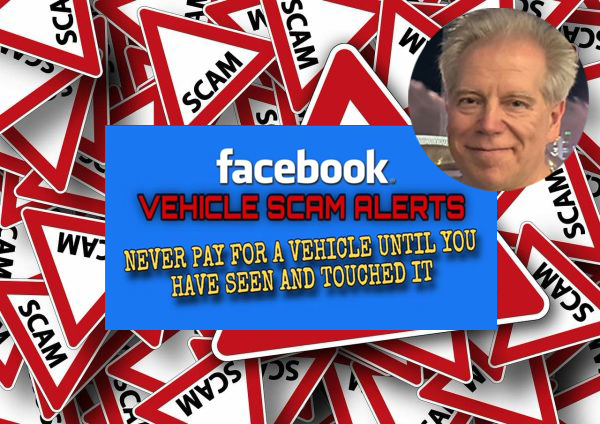
For anyone browsing Facebook Marketplace or local buy-and-sell vehicle groups used across Carmarthenshire, adverts like this are now part of the landscape, tempting listings that look genuine, sound emotional, and create urgency.
But consumer scam experts warn that the moment you feel you’ve found “the one” is exactly when you should pause.


Because behind many of these bargain listings is a simple plan: get your deposit, then disappear.
The scam expert who started out as a buyer

Jack Russell, founder of Facebook Vehicle Scam Alerts, didn’t begin as an investigator or campaigner. He was just trying to buy a car online.
Russell said: “I found a car on eBay at a very, very nice price… They sent me bank details in Canada, and I thought, I’m in Essex, you’re in Reading, why on earth am I sending money to Canada?”
That moment of suspicion made him dig deeper. What he uncovered was not a one-off attempt, but a repeat pattern of fake vehicle listings, recycled photos and pressure tactics designed to force buyers into rushing a payment.
“I figured out it was a scam and started looking for other vehicles… I discovered there were quite a few. That’s how it began.”
More than a decade later, Russell says he and his team have now reported around a quarter of a million scam listings.
How Facebook vehicle scams work
These scams aren’t only about fake cars, they’re about exploiting trust, urgency and emotion.
Russell says the setup is often the same:
- A vehicle is advertised well below market value
- The seller offers an emotional reason: illness, bereavement, divorce, sudden move
- The advert encourages urgency: “first to see will buy”, “need it gone”, “lots of interest”
- The buyer is asked for a deposit to secure it
- The scam escalates with “fees”, delivery, insurance, admin
- Once money is transferred, the seller vanishes
Images are usually stolen from real listings. Accounts may be fake or hijacked. And payment is pushed through irreversible methods such as bank transfer, crypto, or PayPal options that remove protections.
What makes this particularly dangerous is how legitimate the adverts can look, especially to busy families, young buyers, or anyone who simply wants a reliable car quickly.
“Prevention is harder to measure, but it saves people”
“There’s prevention and there’s cure,” Russell says. “Prevention is harder to measure, people don’t always say thank you. But I know we’ve saved a lot of people.”
In 2016 he created Bank Busters, a group of around 50 volunteers who worked to identify scammers’ banking routes.
“I’d contact the banks day or night. That was devastatingly effective.”
In one case, Russell helped a romance scam victim recover £165,000 from Barclays.
Prize draw pages and “giveaway” scams are growing too
Not every scam looks like a straightforward car sale.
Russell warns that “vehicle giveaway” pages are becoming increasingly common, especially ones claiming to offer campervans, vans or prestige cars as prizes.
They often encourage users to like, share, comment, or click through to “enter”.
Which has flagged similar pages as fraudulent. Some victims end up handing over personal data or bank details, and even if no money is taken immediately, the information can be used to target them again later.
Some scams now go even further, using AI-generated videos featuring fake endorsements from public figures to build trust.
The simplest rule that stops most scams
Russell says there’s one piece of advice that prevents most losses:
“It’s very simple. Never pay for a vehicle until you’ve seen and touched it.”
That means no deposits to “hold” the vehicle. No “delivery fee first”. No “insurance cost upfront”.
If a seller refuses to let you view the car, makes excuses, or insists the money must be sent before you see it, treat it as a warning sign.
A worrying trend: victims often feel ashamed
Russell has also spent years supporting scam victims, many of whom didn’t report what happened.
“Everybody who speaks to me says they feel better even if they haven’t got their money back. They just feel better for having spoken to someone who understands.”
He believes the stigma and embarrassment surrounding scams is exactly what criminals rely on, because silence makes it easier for them to keep going.
Calls for smarter protections
Russell believes the focus should shift from blaming victims to improving safeguards, including changes in how banks handle suspicious transfers.
He says he has noticed a trend among some victims who were emotionally vulnerable at the time of being scammed.
“About 60% of people who contacted me saying they were scammed were taking antidepressants at the time. It causes emotional blunting, and no one’s talking about it.”
He argues banks should explore stronger protections and additional checks for customers who may be at increased risk.
Carmarthenshire checklist: how to avoid losing money to Facebook car scams
If you’re buying a vehicle online, these steps could save you thousands:
- View before payment: See the vehicle in person or use a trusted inspection service.
- Reverse image search: Scam listings often recycle photos from genuine adverts.
- Check seller identity: Be wary of new profiles or recently renamed accounts.
- Match the paperwork: VIN, V5C logbook details and registration must align.
- Avoid risky payments: Never pay by crypto, gift cards, or PayPal “friends and family”.
- Don’t be pressured: Urgency is often the scam itself.
Russell says his work continues not for profit, but because he believes it matters.
“This is what I was meant to do. I don’t want to retire. I believe having purpose keeps your mind active.”
And with more buying and selling moving online, the warning for Carmarthenshire residents is clear: if a car deal looks too good to be true, it usually is.
Discover more from Carmarthenshire News Online
Subscribe to get the latest posts sent to your email.