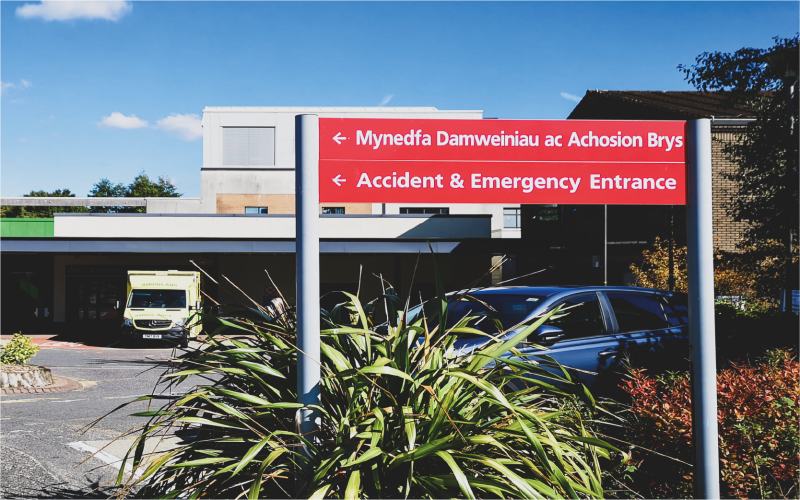
A comprehensive collapse across the Welsh emergency care system has left thousands of vulnerable patients trapped in gridlocked ambulances and backlogged hospital wards, according to a devastating multi-year performance review by Audit Wales.
Official data running up to March 2026 shows that despite a cascade of short-term funding initiatives, the Welsh NHS is failing to meet basic emergency targets. The breakdown is driving up patient safety risks, compounding operational stress for frontline crews, and draining tens of millions from the public purse. This catastrophic failure affects every resident relying on urgent medical care and highlights a profound lack of accountability within Cardiff’s political establishment.
The ongoing crisis stems from a systemic failure to manage patient flow, leaving hospitals unable to admit emergency arrivals or discharge recovered patients. Decades of administrative top-heavy management and short-term funding pots have created an uncoordinated gridlock that places lives at risk daily.
Ambulance handovers hit record bottlenecks
 The data reveals that between April 2024 and March 2026, only 20% of patients arriving at hospital by emergency ambulance were handed over to staff within the mandatory 15-minute target window. In response to the growing crisis, the Welsh Government introduced a temporary, relaxed 45-minute handover target in July 2025.
Institutional adjustments have failed to stop the decline, with the average ambulance handover wait blowing out to one hour and 38 minutes by March 2026. The bottlenecks have peaked heavily around Morriston Hospital in Swansea alongside three key sites across North Wales.
The human cost of these delays is severe. The Association of Ambulance Chief Executives warns that a handover delay exceeding four hours inflates the risk of moderate, severe, or permanent patient harm to 70%. Over the 2025–26 period, 15,084 out of 151,707 total ambulance arrivals across Wales endured waits past this critical four-hour threshold.
Wasted millions and blocked beds
At the opposite end of the system, a failure to coordinate social care has led to hundreds of thousands of lost bed days each year. Patients who are clinically fit to return home are left stranded in acute beds because the necessary community care or accommodation is unavailable.
During 2025–26, discharge delays exceeding 48 hours resulted in just under 345,000 lost bed days across Welsh hospitals, racking up an estimated institutional bill of £172 million. Industry analysts note that reducing these delays by a modest 15% would instantly release £26 million back into primary frontline services.
Local health boards have largely ignored structural fixes, implementing only 25% of the formal discharge planning recommendations issued nearly a decade ago in 2018. Frontline capacity is further crippled by growing workforce shortfalls, as sickness absence rates in both adult social services and nursing continue to peak during winter cycles.
Underused funding and primary care failure
The Welsh Government has deployed a series of short-term funding packages, including £100 million for the Six Goals for Urgent and Emergency Care programme and £19 million for a ’50-Day Challenge’. However, these initiatives remain siloed, short-sighted, and poorly communicated to the general public.
Compounding the crisis is a steep decline in standard local healthcare access. The average number of daily GP appointments provided for urgent needs dropped from 28,260 in April 2023 down to 21,864 in December 2025. This primary care deficit has forced desperate residents toward emergency departments, pushing average monthly attendances to 94,398.
The Royal College of Emergency Medicine estimated that 965 deaths in Wales during 2025 were linked to extreme emergency department waits exceeding 12 hours. With over 10,900 patients waiting past the 12-hour mark in March 2026 alone, the focus shifts to whether the Welsh Government will restructure healthcare management or continue funding unaccountable administrative systems.
Have you had difficulty accessing NHS services?
You can get in touch in the following ways:
Visit: https://www.carmarthenshirenewsonline.com/your-news-live-pilot/
Please read our terms & conditions and privacy policy
In some cases a selection of your comments and questions will be published, displaying your name and location as you provide it unless you state otherwise. Your contact details will never be published.