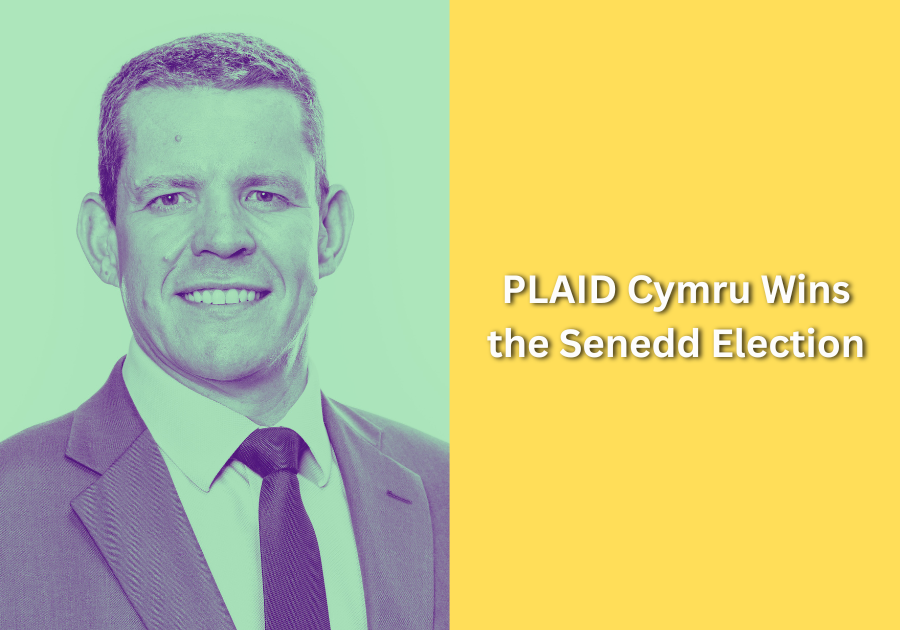
[tta_listen_btn] On Friday, Wales witnessed a political landscape shifting dramatically as the results came in across the country. For the first time since devolution began in 1999, and for the first time in over a century of democratic elections, Welsh Labour is not the largest party in Wales. In its place stands Plaid Cymru, the party founded in a café in Pwllheli in 1925, which has waited 101 years for this moment.
The results of the 2026 Senedd election, held on 7 May under a new fully proportional voting system using the D’Hondt method across 16 six-member constituencies, delivered a seismic shift in Welsh politics. Plaid Cymru emerged as the largest party with 43 seats on 35% of the vote. Reform UK, in its first ever Senedd election as a meaningful force, secured 34 seats. Welsh Labour, which had governed Wales without interruption since 1999, was reduced to just nine seats, a collapse of 35 members in a single night.
Speaking on Friday evening as the final results came in, Plaid Cymru leader Rhun ap Iorwerth declared the result “a moment one hundred years in the making.” Standing before supporters, he said his party had won “not for ourselves as individuals or as a party, but for the people of Wales, and that means ALL of the people, regardless of how they voted in this election.” It was a carefully chosen phrase, and one that signalled the complexity of the task ahead.
The Scale of Labour’s Collapse
To fully appreciate the magnitude of Thursday’s result, it is necessary to understand what Labour was before it. The party had won every Welsh national election since 1999. It had governed Wales through devolution’s entire lifespan, at times in coalition, at times alone, but always at the top. For decades, Welsh Labour dominated the valleys, the cities and the coast. Its dominance was so complete that for much of devolution’s history, the question was not whether Labour would govern Wales, but by how much.
That dominance did not collapse overnight. The cracks had been forming for years. The NHS in Wales, fully devolved and Labour-run, had accumulated some of the longest waiting lists in the UK. Educational attainment had stagnated. And then came the Vaughan Gething affair.
Gething, who succeeded the respected Mark Drakeford as First Minister in March 2024, accepted a £200,000 donation during his leadership campaign from a company whose director had twice been convicted of environmental offences. His response, to repeatedly insist he had broken no rules and refuse to return the money, struck many Welsh voters as emblematic of a party that had grown too comfortable in power. Plaid Cymru withdrew from its co-operation agreement with the Welsh Government in May 2024. Labour was left governing as a minority with no credible partners. In June 2024, Gething lost a vote of no confidence in the Senedd, described it dismissively as a “transparent gimmick,” and was eventually forced out in July after four senior cabinet ministers resigned simultaneously. He had lasted just 118 days, the shortest-serving First Minister in Welsh devolution’s history.
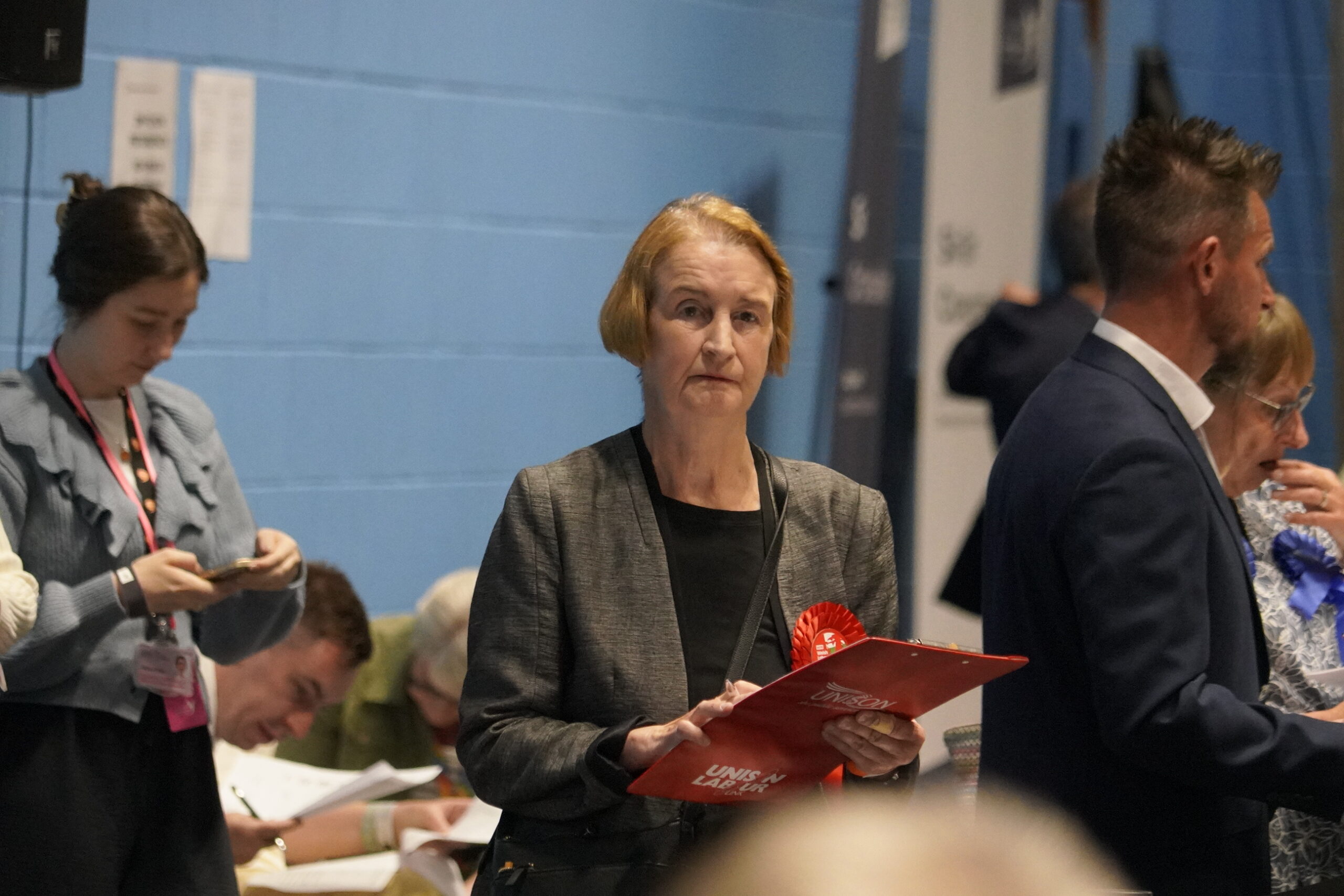
His successor, Eluned Morgan, inherited a poisoned chalice. She governed as a minority First Minister with less than two years until the election, a party riven by internal division, and a public that had lost confidence. On Thursday, she became the first head of government in UK history to lose her own seat while in office, failing to hold Ceredigion Penfro as Plaid swept the constituency. In her resignation speech, she accepted responsibility with dignity: “Welsh Labour has today suffered a catastrophic result. It ends a century of Labour winning in Wales.”
Plaid’s Long Road to Government
For Plaid Cymru, this victory is not simply an electoral win. It is the culmination of a political journey stretching back to that founding meeting at the National Eisteddfod in Pwllheli in August 1925, when six men gathered to form Plaid Genedlaethol Cymru, the National Party of Wales. Their initial aim was not even political power; it was the survival of the Welsh language. For decades, the party operated more as a cultural movement than a political force.
The breakthrough came slowly. Gwynfor Evans won Plaid’s first ever Westminster seat at the 1966 Carmarthen by-election, a result that sent shockwaves through the political establishment and planted a flag that has never been removed from west Wales. By 1999, when devolution finally arrived, Plaid made significant inroads in Labour’s heartlands, winning seats in the Rhondda and Islwyn. In 2007, they entered government for the first time as a coalition partner under the One Wales agreement with Labour. In 2021, they secured a co-operation agreement with the Labour Welsh Government covering 46 policy areas.
But always, the top prize remained out of reach. Until now.
The party’s path to Thursday’s victory was mapped out in part by the Caerphilly by-election, held in late 2025 following the death of Labour MS Hefin David. Plaid won comfortably, with Reform second and Labour a distant third. Ap Iorwerth declared at the time that only Plaid could stop Reform in Wales. He was right, and that framing, presenting the election as a two-horse race between Plaid and Reform, proved decisive in consolidating the anti-Labour vote on the centre-left.
Reform: Defeat or Dawn?
For all the jubilation in Plaid’s camp, the 2026 result contains a story that Wales cannot afford to ignore. Reform UK won 34 seats and 29% of the vote. That is not a footnote. That is a transformation.
Reform did not exist as a Senedd force five years ago. In 2021, it had a single member, a Conservative defector, and no real Welsh infrastructure. On Thursday, it became the second largest party in the Senedd, winning seats across south Wales, the post-industrial valleys, and constituencies that had returned Labour members for generations. Dan Thomas, Reform’s Welsh leader who only took the role in February 2026 after defecting from the Conservative Party, won his seat in Casnewydd Islwyn, where Reform topped the poll with over 25,000 votes.
“In just five years Reform has gone from winning 1% of the vote in the Senedd elections to now being the main contenders for government, smashing Labour in the process,” Thomas said after his election. It was a striking claim, and not entirely without foundation.
Much of the commentary following the results has framed Reform’s performance as a defeat, they came second, they did not form the government, and they fell well short of the 40 seats they had publicly targeted. But that framing misses the structural significance of what has happened. Reform now holds 34 seats in a 96-seat chamber. With 49 seats needed for a majority, and Plaid governing as a minority on 43, every single piece of legislation that Plaid wishes to pass will require support from elsewhere. Reform’s 34 MSs represent the most powerful opposition group in the Senedd’s history in terms of sheer blocking power.
The ideological gulf between Plaid and Reform is vast. Plaid is a centre-left, pro-independence, pro-Welsh language, pro-EU party. Reform is a right-wing, British unionist, anti-net zero party with roots in English populism. The prospect of any working arrangement between them is essentially zero. This means Plaid will be forced to seek votes from Labour’s nine remaining MSs, the seven Conservatives, two Greens and one Liberal Democrat, a complicated and potentially unstable arithmetic on every significant vote.
Reform, for its part, has every incentive to be a vocal and disruptive opposition. It will position itself as the alternative government-in-waiting, seeking to demonstrate that Plaid cannot deliver and that the real opposition to the Welsh establishment is in its benches, not Labour’s. With a Senedd now constituted on proportional lines, and with Wales’s political landscape as fragmented as it has ever been, that argument will get a regular airing.
Sir Gaerfyrddin: A Microcosm of Wales
Nowhere does this new political reality play out more vividly than here in Sir Gaerfyrddin. The constituency, home to 84,221 votes cast on Friday, delivered a perfect 50/50 split, three seats each for Plaid Cymru and Reform UK, with not a single Labour or Conservative member returned.
Plaid’s three seats went to Cefin Campbell, Nerys Evans and Adam Price. Reform’s three went to Gareth Beer, Sarah Edwards and Carmelo Colasanto. It is a result that would have been unthinkable even a decade ago, Carmarthenshire, once reliably Labour-leaning, now divided equally between the party of Welsh nationalism and the party of British populism.
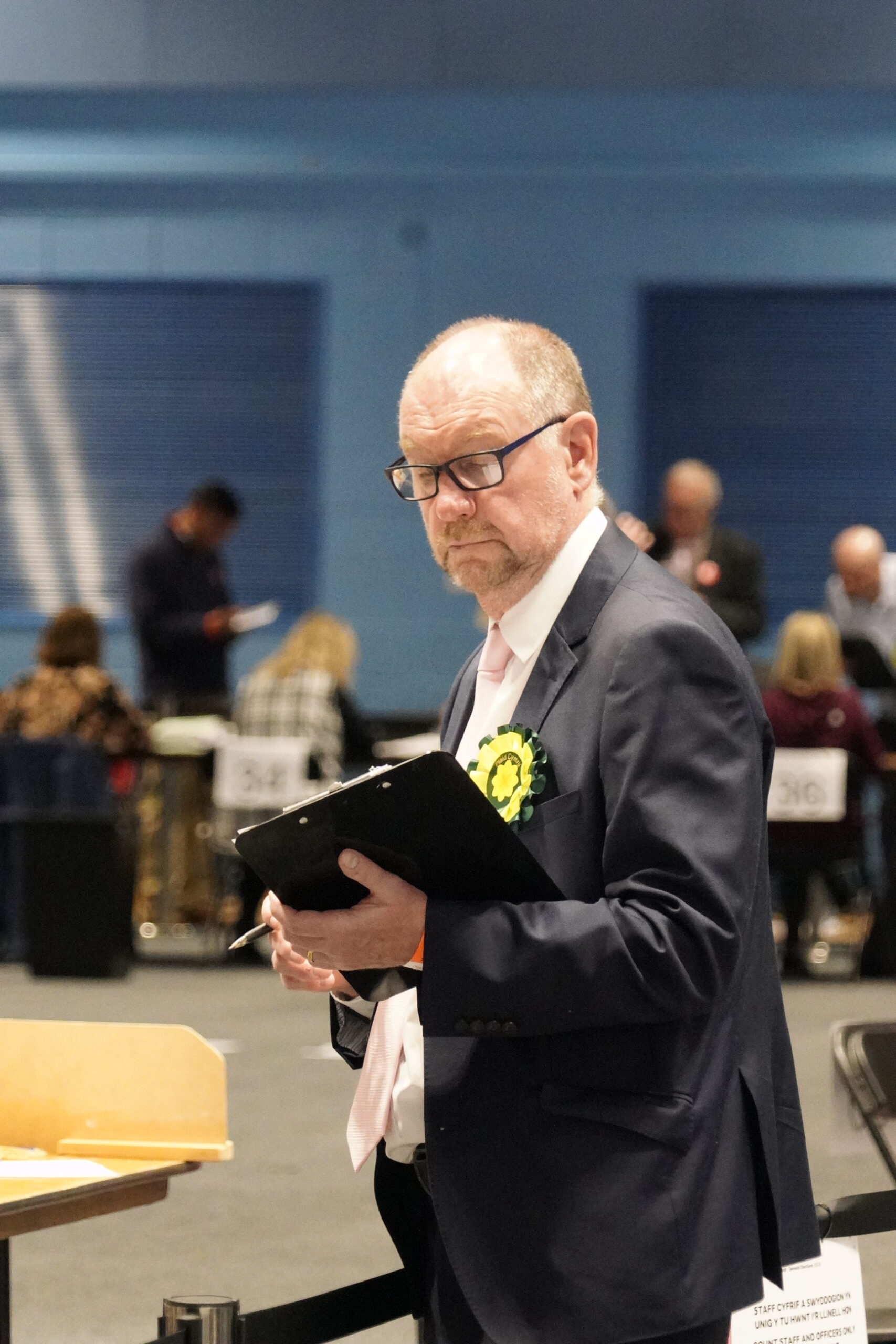
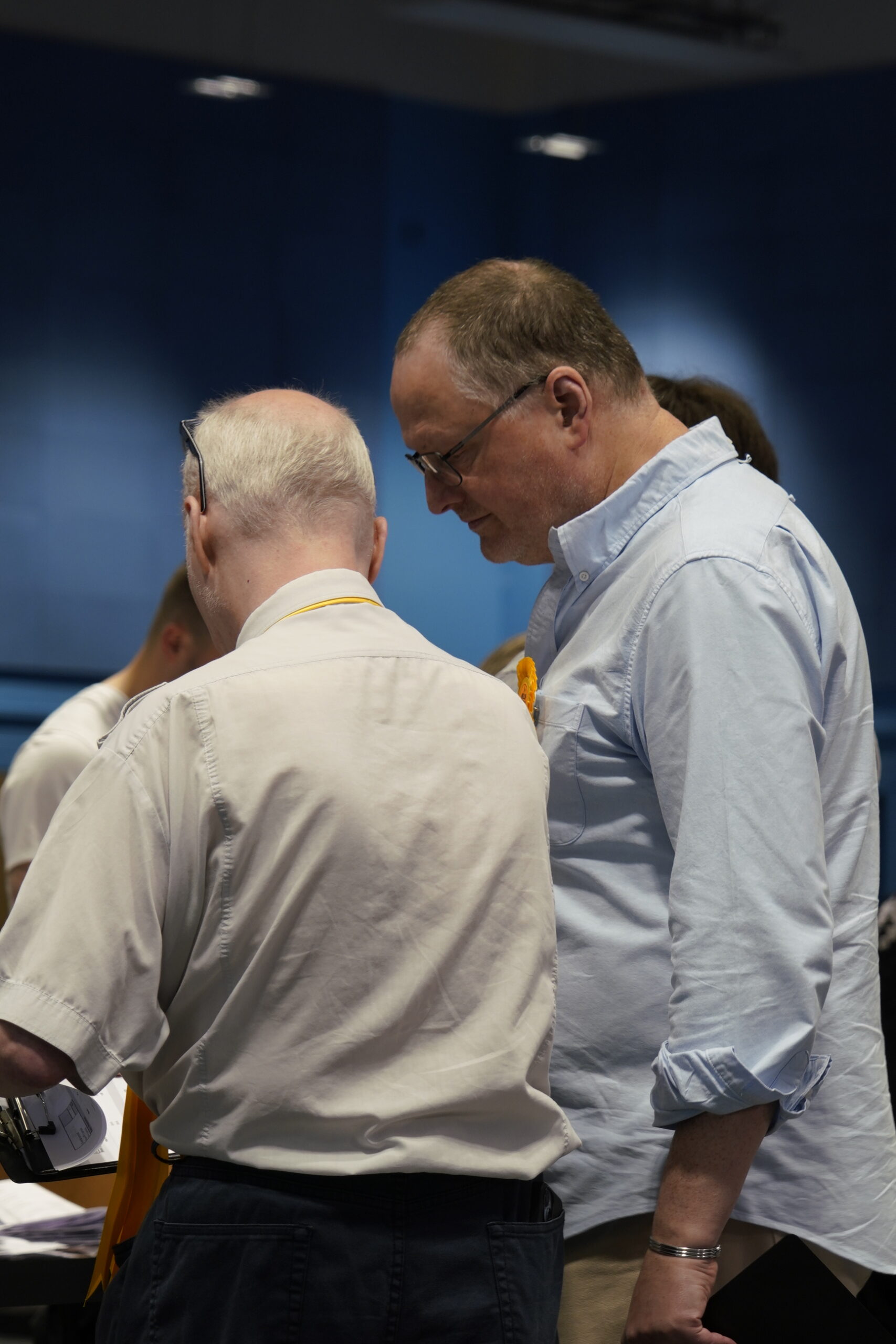
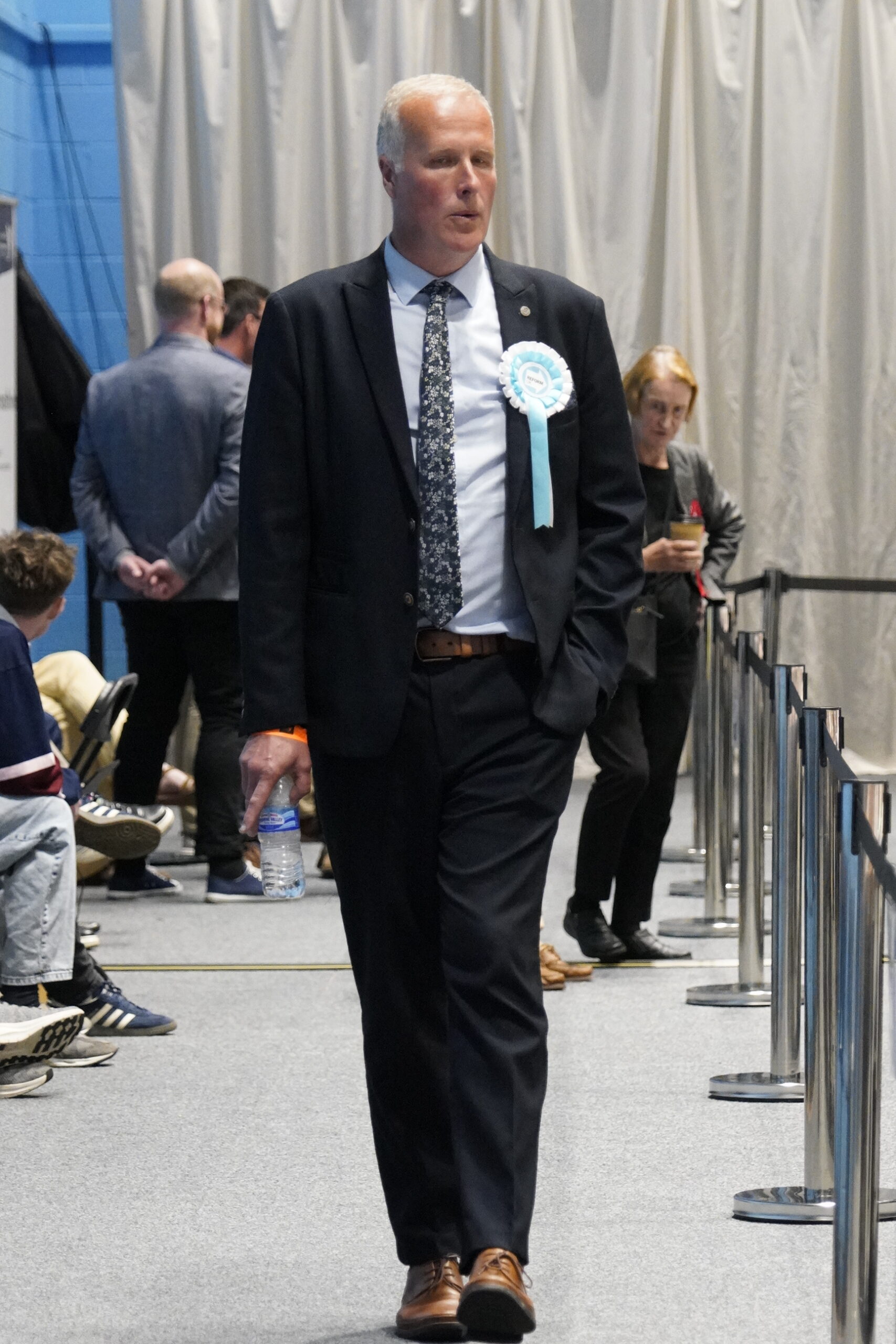
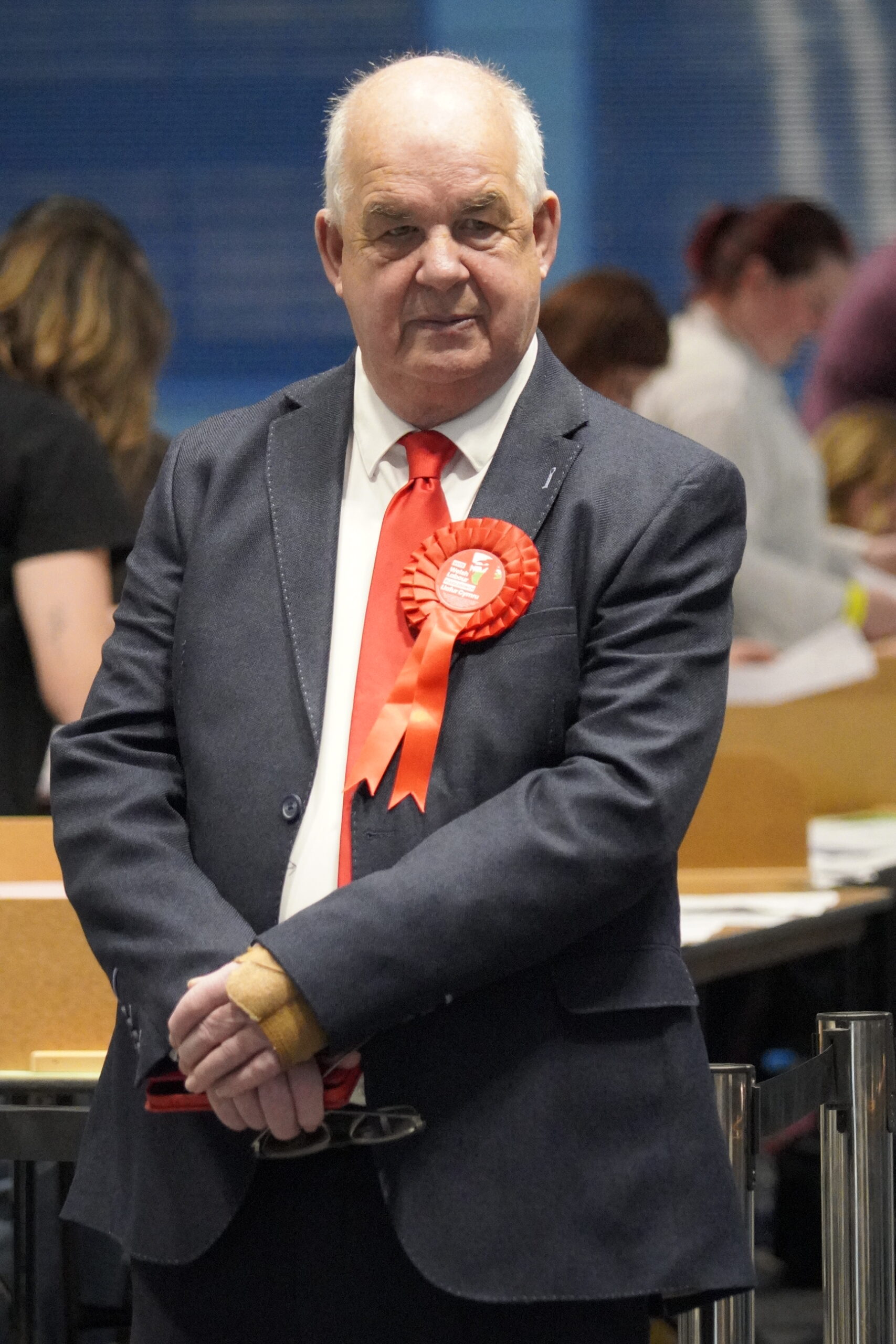
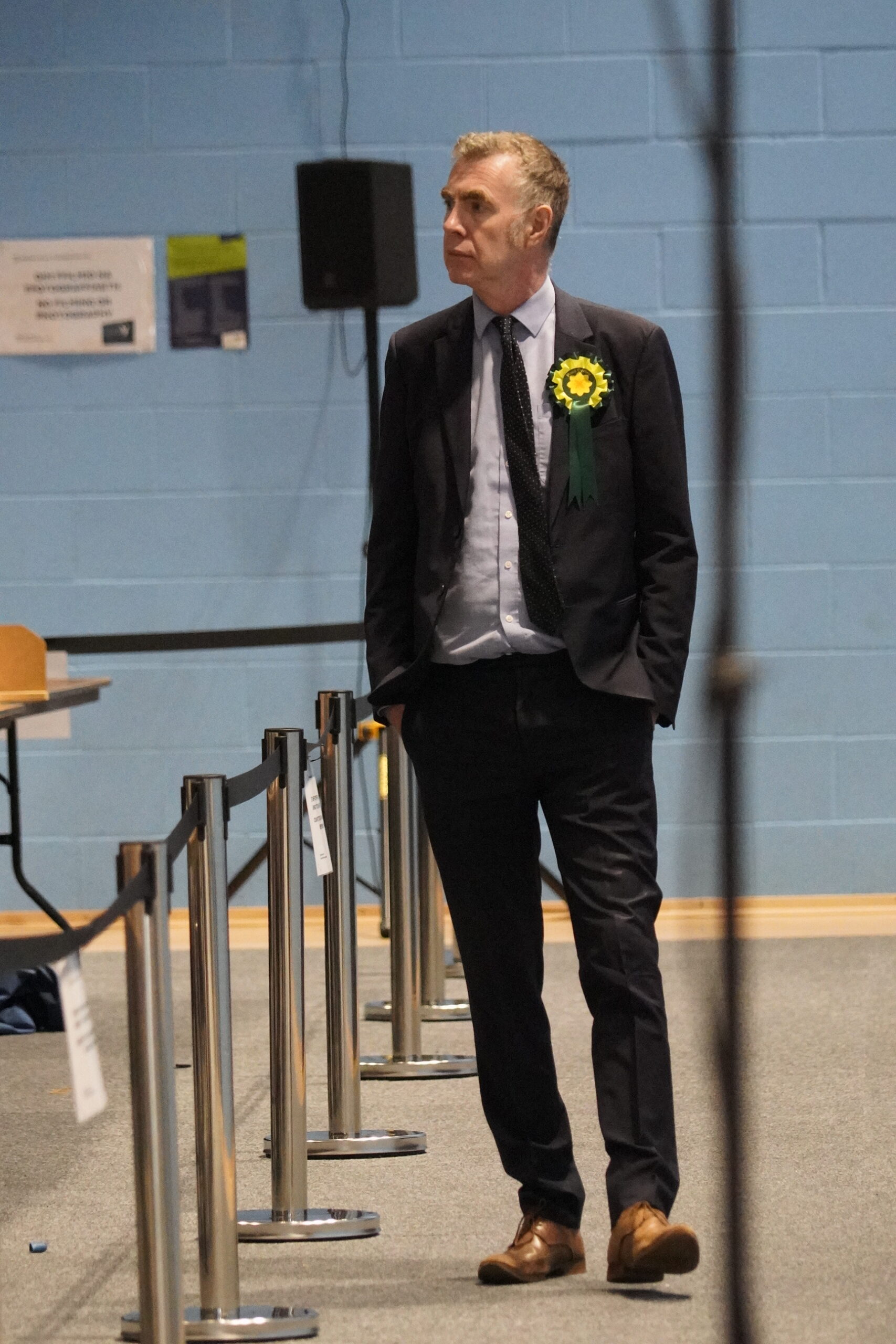
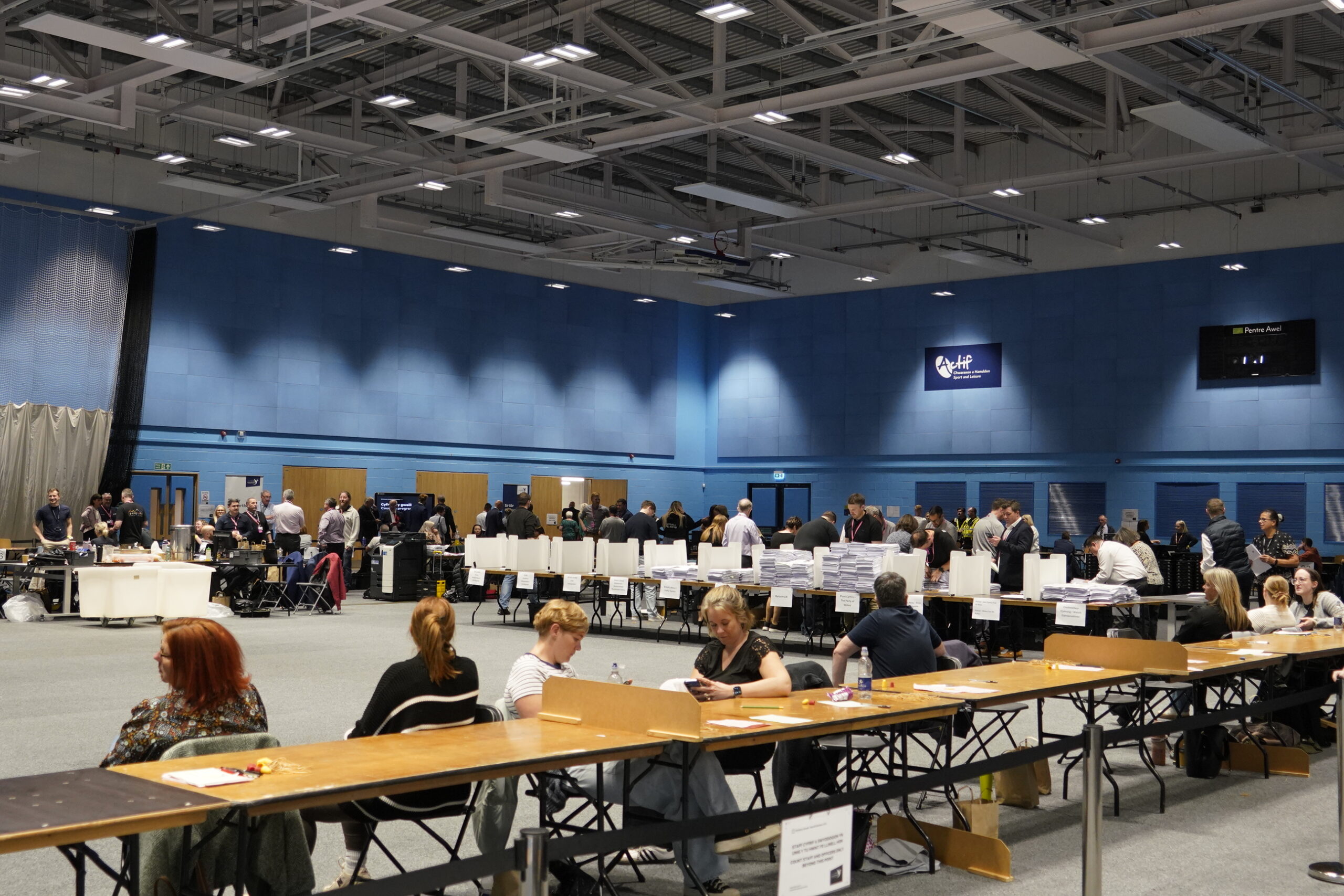
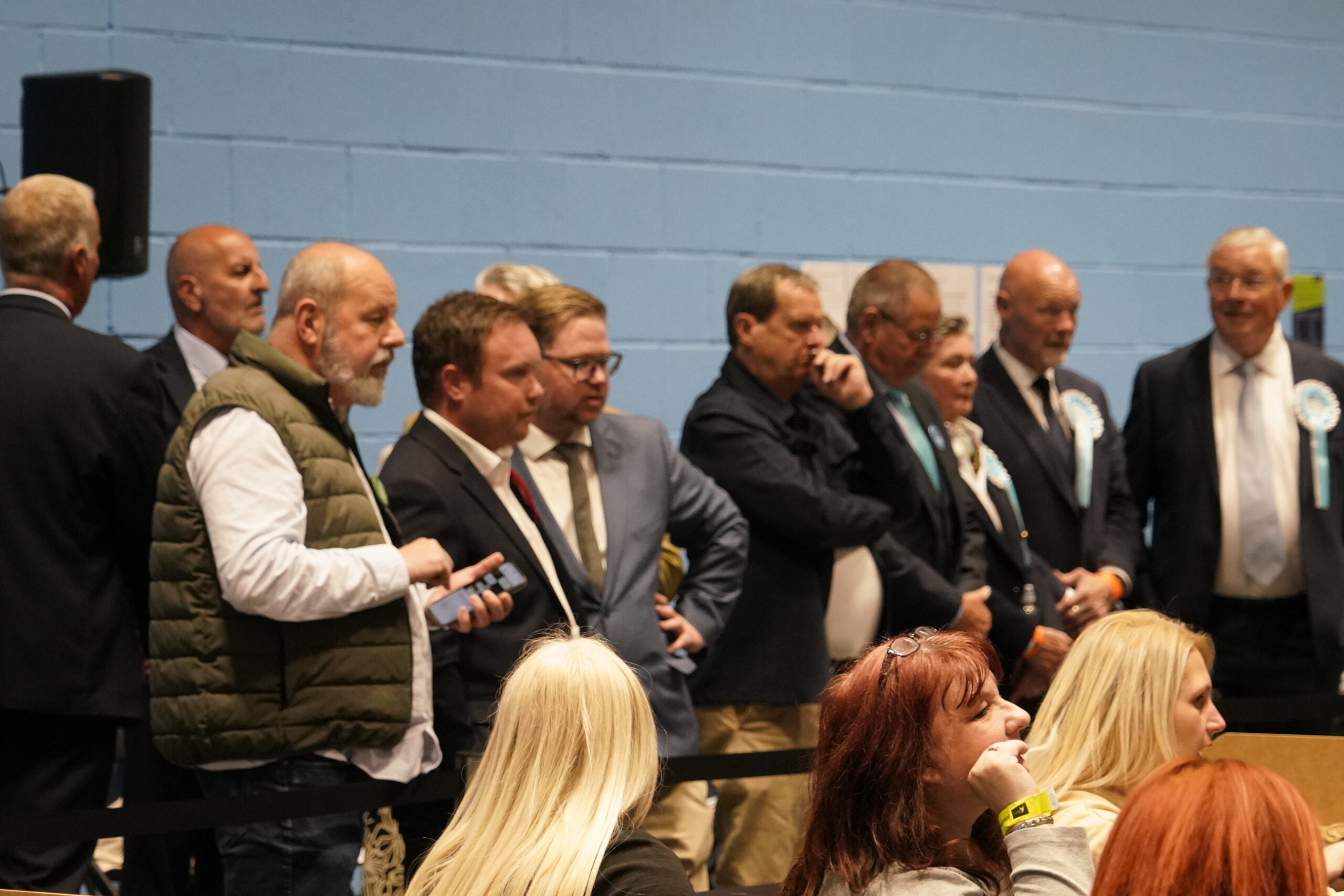
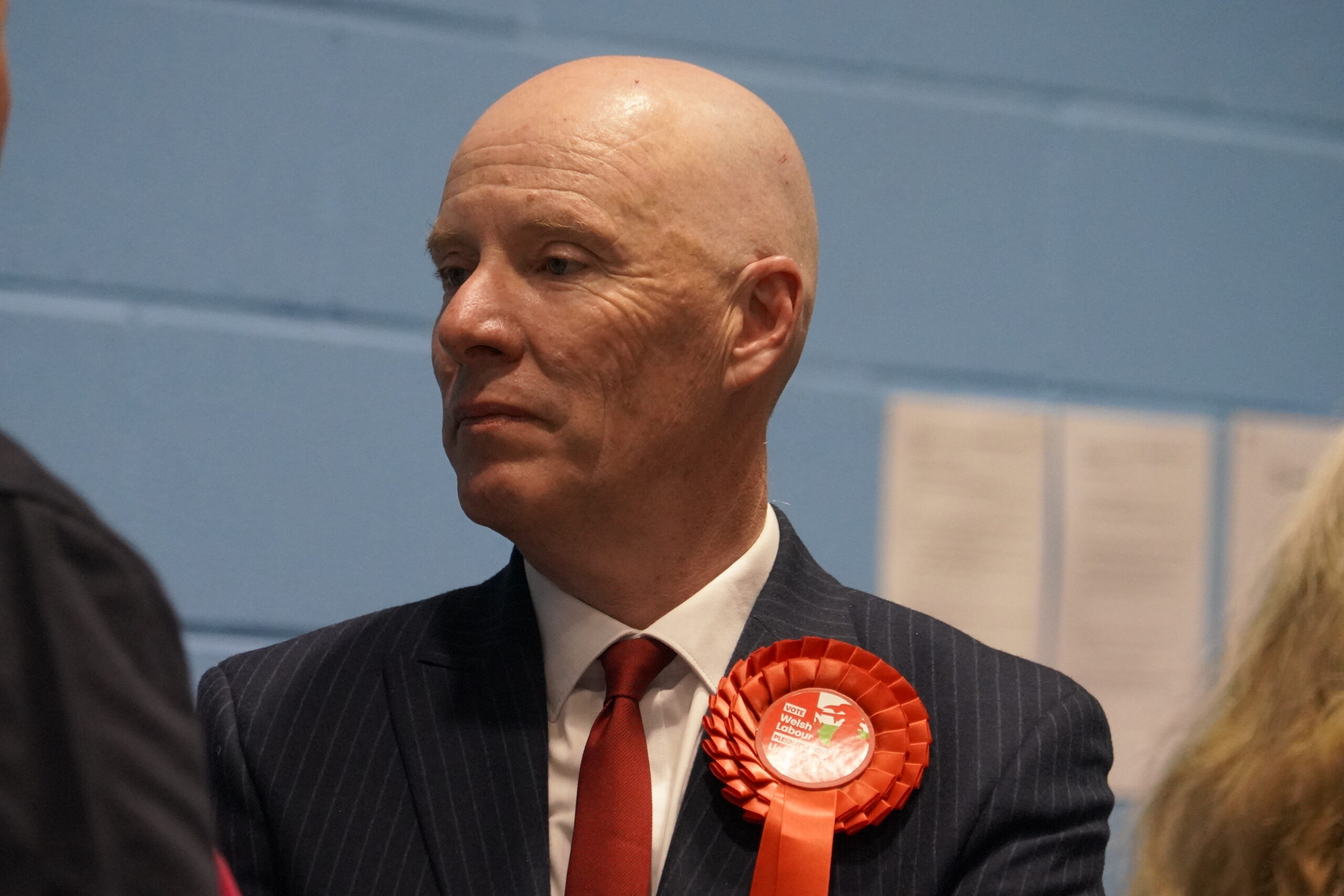
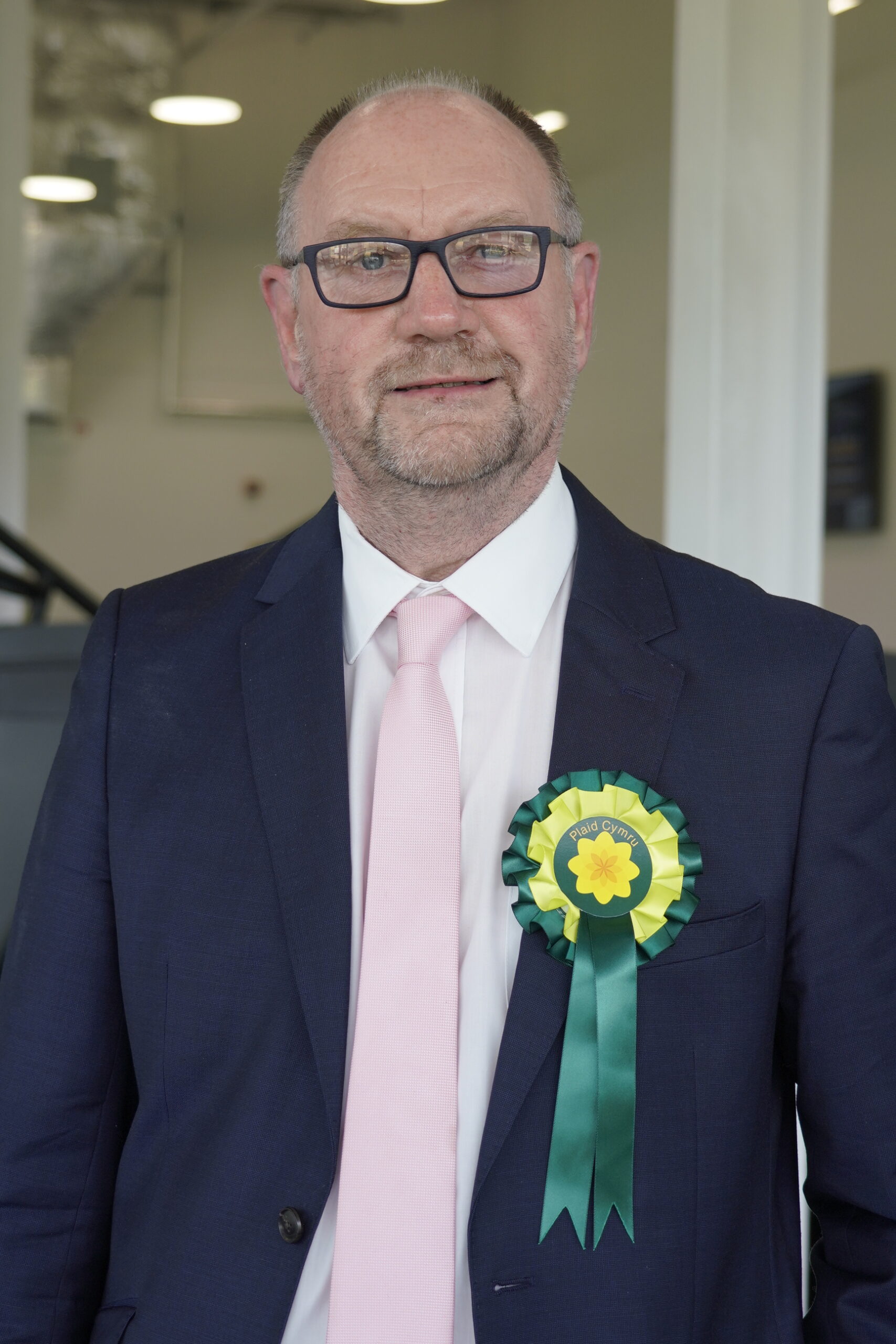

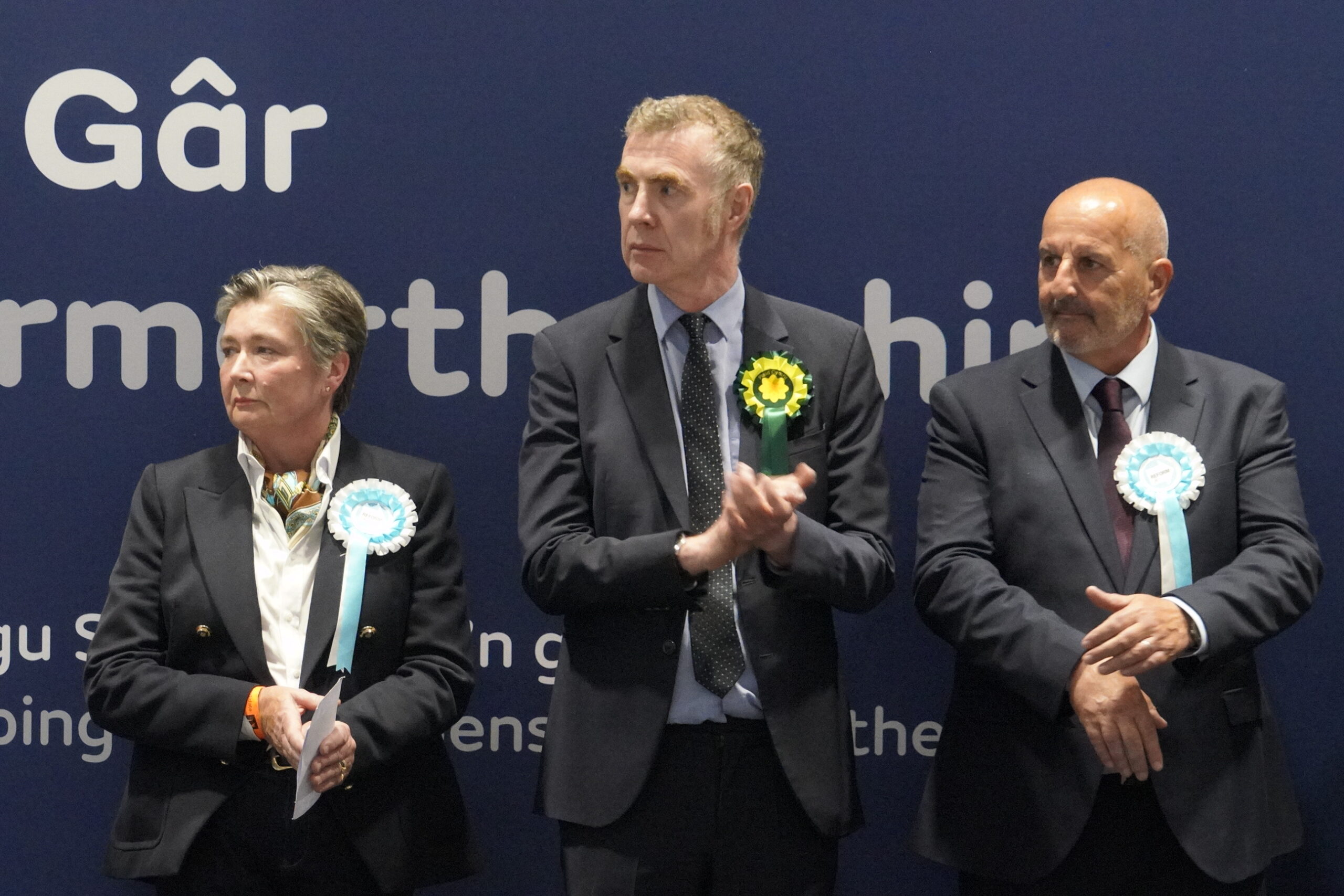
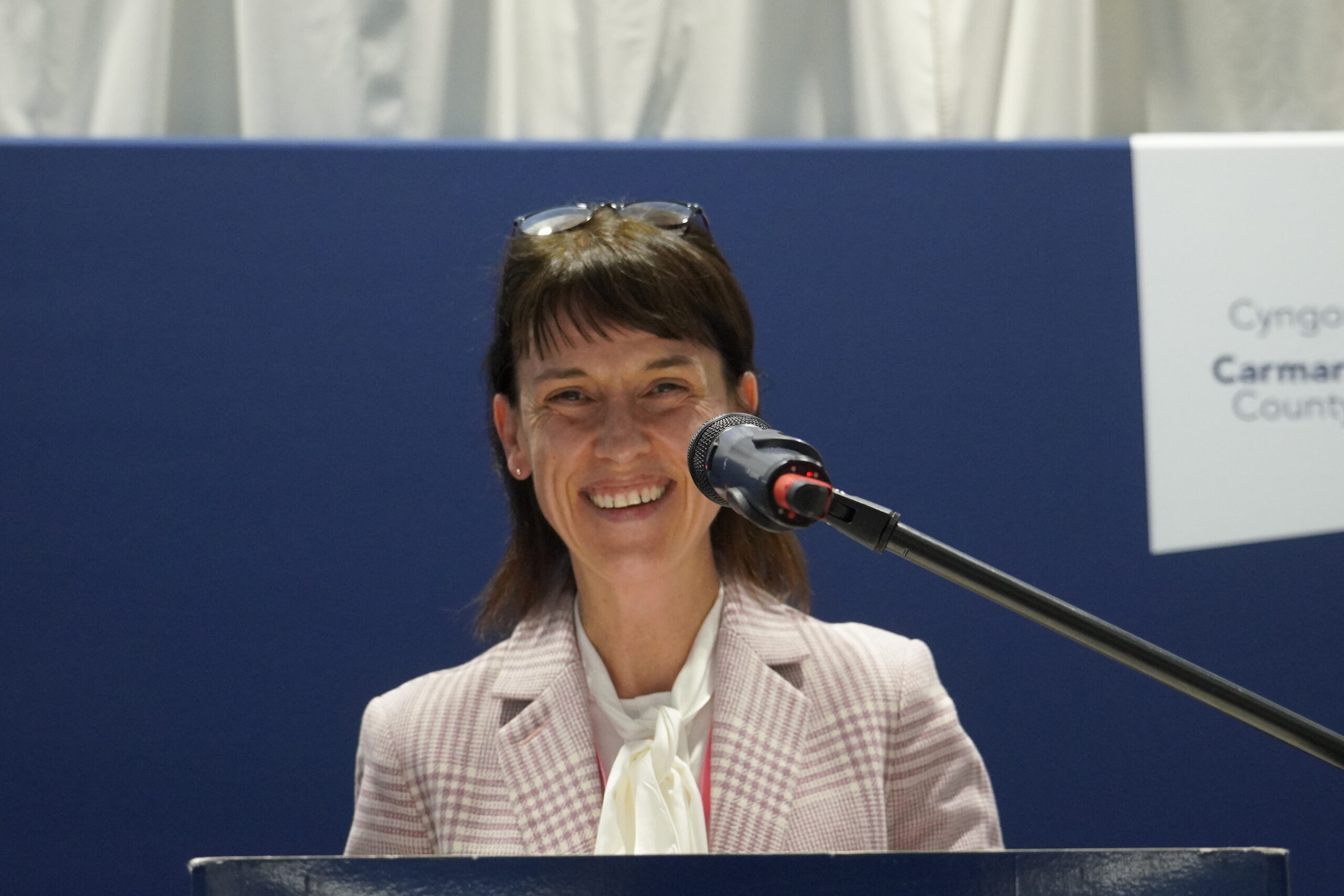
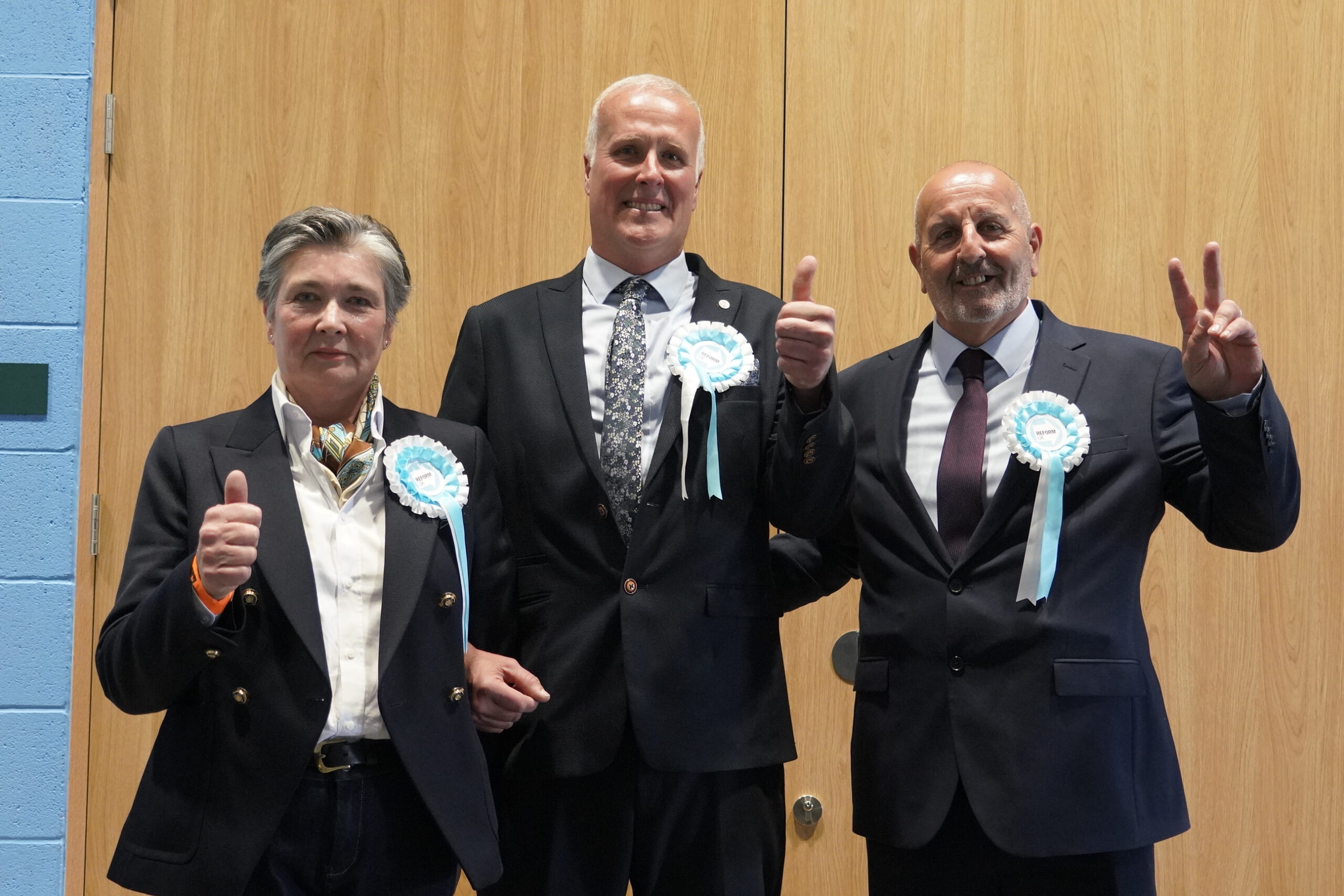
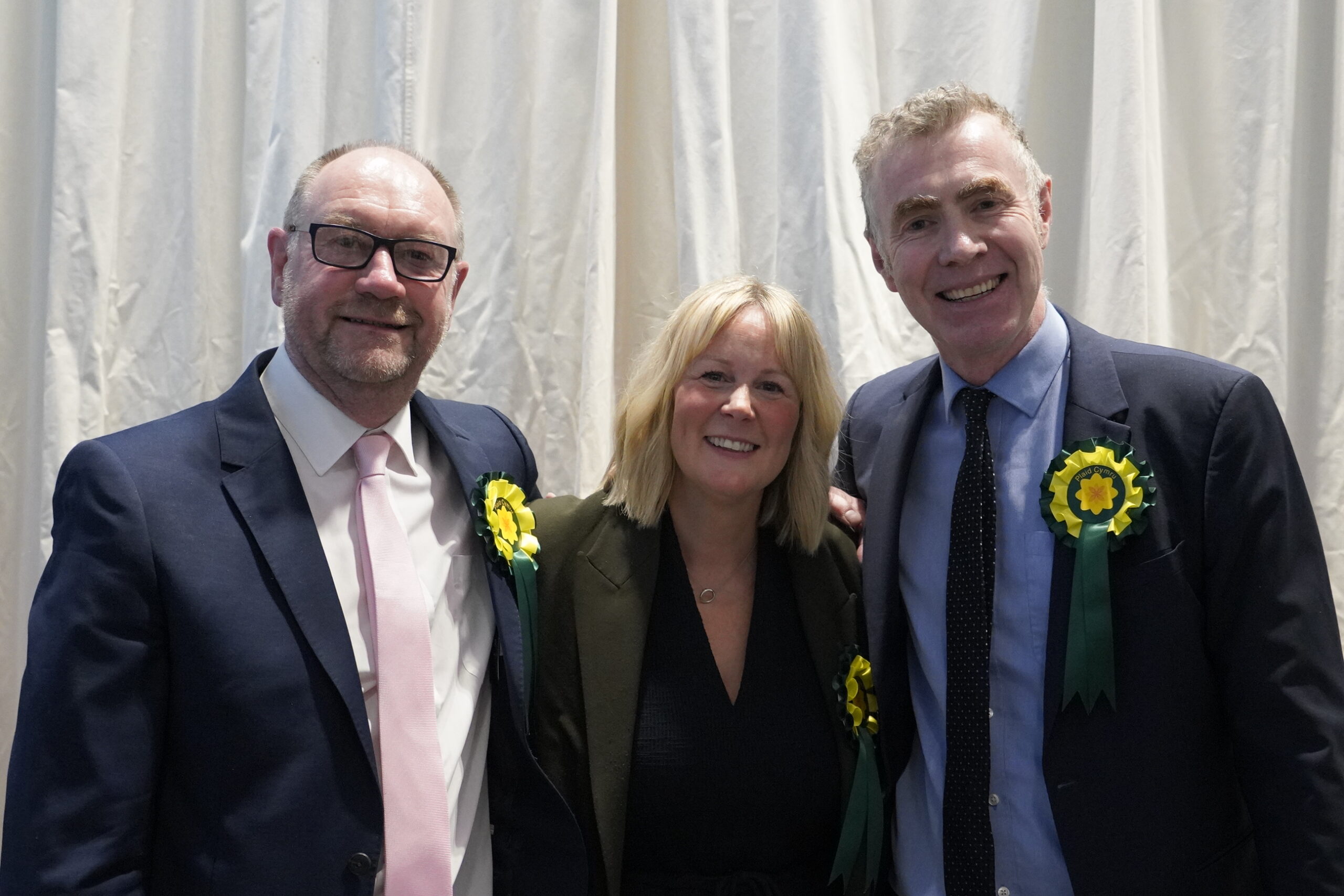
For Plaid, there is deep symbolism in this constituency. It was in Carmarthen that Gwynfor Evans won the party’s first ever Westminster seat in 1966. Friday’s three-seat haul in Sir Gaerfyrddin is, in many ways, the completion of that story.
For Reform, those three seats represent something equally significant, proof that their appeal extends well beyond the English-speaking post-industrial communities of south Wales and deep into the heartland of Welsh-speaking, culturally distinctive west Wales. That should not be dismissed lightly.
What Happens Next
Rhun ap Iorwerth has declared Plaid “ready to take the necessary steps to form the next government of Wales.” Coalition talks, confidence and supply negotiations, or some form of programme for government agreement will likely follow in the coming days and weeks.
The task is formidable. A minority government with 43 seats, six short of a majority, will need to find allies on a vote-by-vote basis. Health, education and the economy are in need of serious attention after years in which Welsh public services have fallen behind. And looming over everything is the question of the Welsh language, independence, and the constitutional future of Wales, issues on which the new Senedd is more divided than at any point in its history.
But for one night at least, Wales belongs to Plaid Cymru. A party that began as a handful of men with a dream about the Welsh language in a café by the sea has become the party of government. One hundred and one years in the making.